The smart glasses market in 2026 has split into two uncomfortable truths. On one side, Meta’s Ray-Ban glasses sell because they look like normal glasses and record what you see, but their display is a single green monochrome strip that can barely show you a turn-by-turn arrow. On the other side, the handful of full-color AR glasses that have shipped, from XREAL Aura to VITURE’s enterprise kits, weigh close to 80 grams, last two hours, and ship with rainbow fringing that becomes obvious in daylight. GOSIGHT, a Shenzhen-based optical company that showed its P1 at IFA Berlin in September, is trying to reconcile the two. The GOSIGHT P1 goes live on Indiegogo on October 27, 2026, promising binocular full-color Micro-OLED, 65 grams of weight, and hot-swappable battery packs that never drop the system.
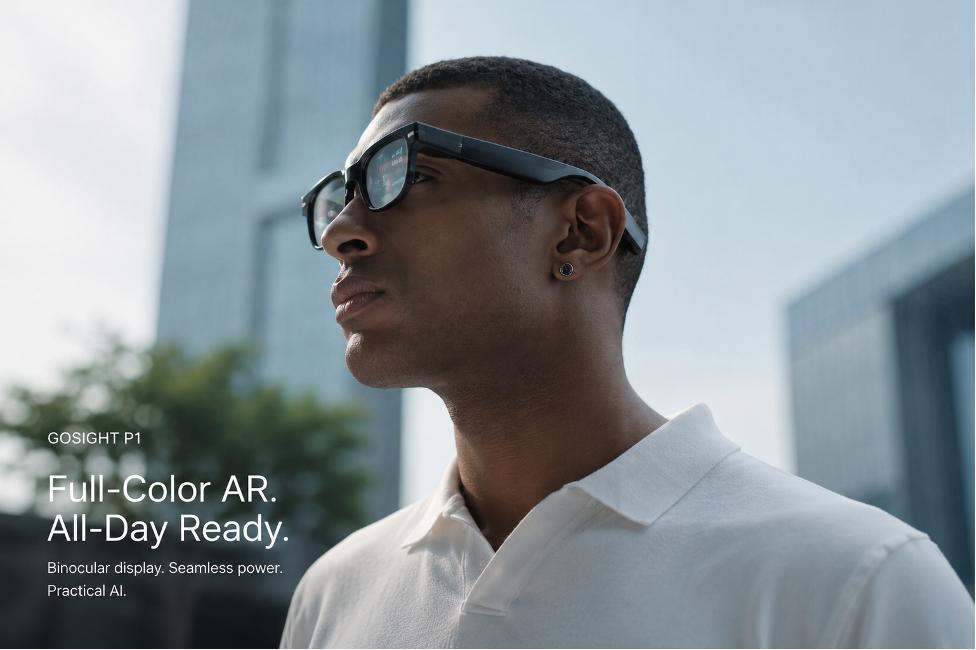
The hardware stack is genuinely ambitious. Each eye gets a 0.3-inch Micro-OLED panel running at 1280 by 480 resolution, coupled to a GlaxReality array waveguide. Effective pixel density is quoted at about 54.6 PPD, equivalent to a 105-inch virtual screen viewed from six meters, at 60 Hertz and up to 800 nits of brightness into the eye. The field of view is modest at roughly 25 degrees, and optical transmission is targeted above 85 percent, which is the number that matters for whether the glasses look like regular glasses when the display is off. The whole unit weighs about 69 grams, carries an IPX4 splash rating, swaps between polarized sun lenses and prescription frames, and includes a 12 megapixel Sony IMX681 global-shutter camera for 1080p first-person video.
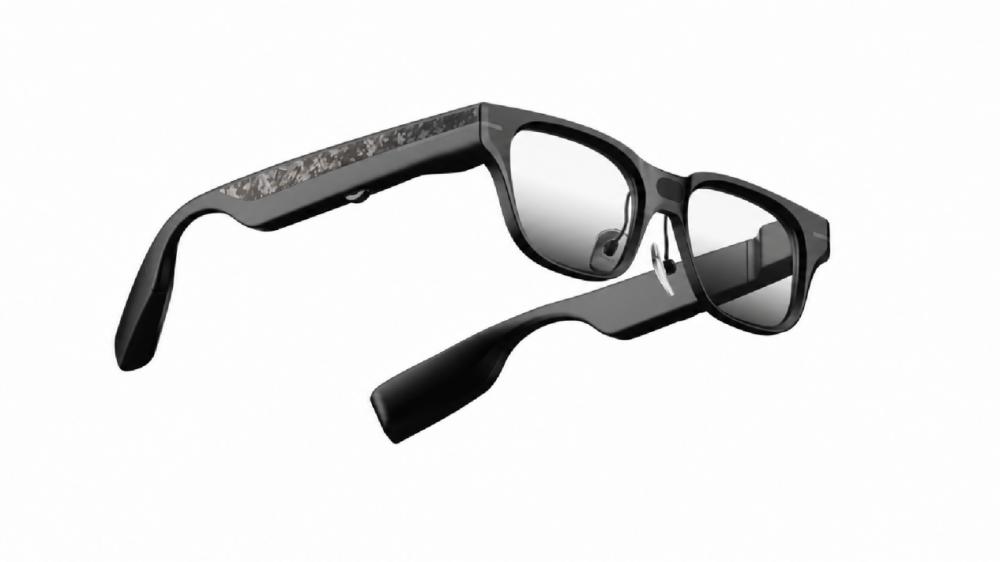
The more interesting engineering decision is power. Most AI glasses either accept short battery life or force you to power off to swap cells. The P1 splits the difference with a small internal bridge battery and a swappable external battery pack on the bridge. When the user pulls the external pack, the bridge battery keeps the system alive, and when the new pack clicks in, power cuts back without a reboot. That means real-time translation, navigation, recording and meeting notes keep running through the swap, which is the difference between a demo and an all-day wearable. The P1 runs Android with a GOSIGHT AI layer on top, promising twenty-language real-time captioning, meeting-note HUD, a teleprompter, and first-person object recognition.
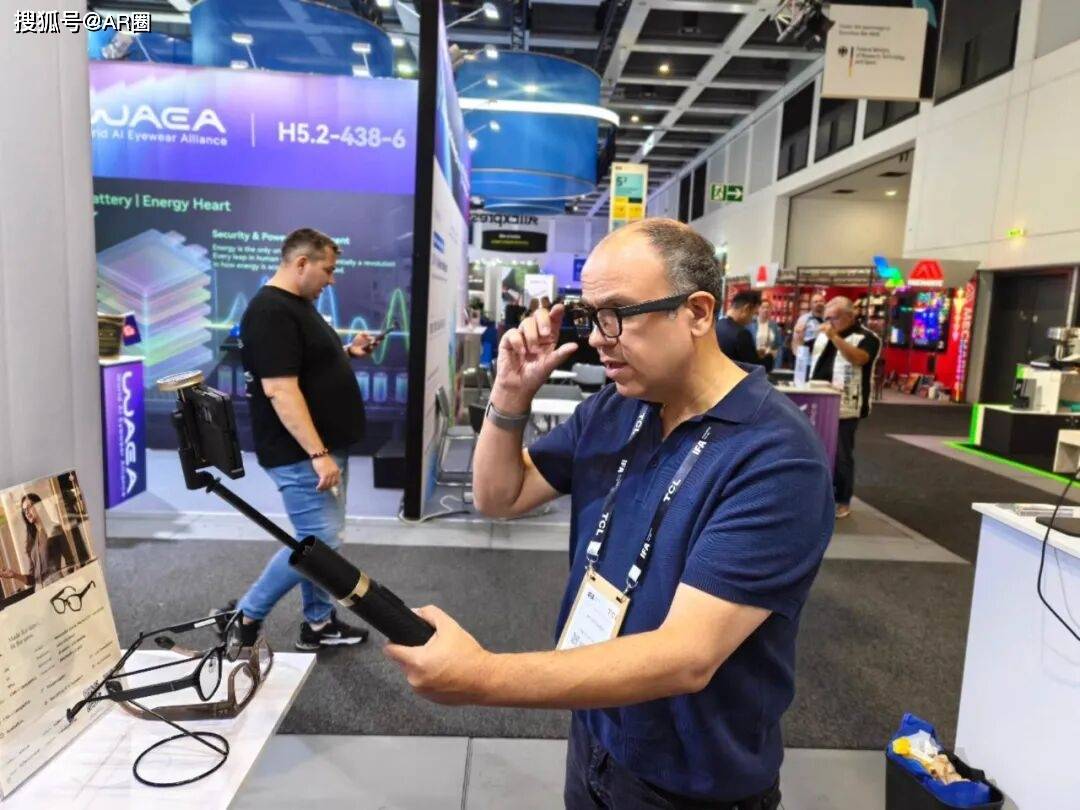
The competitive landscape is narrow and crowded. Ray-Ban Meta offers better industrial design and a mature recording story but no real display. XREAL Aura and Rokid’s full-color units offer larger fields of view but weigh more and ship with rainbow fringing. VITURE and Bigscreen make video-first glasses that need a phone dock. The P1 sits in the middle: lighter than the full-color AR incumbents, smarter than Ray-Ban Meta, and aimed at buyers who want a glasses-first wearable that actually shows content rather than just recording it. The GlaxReality waveguide supply chain is the same one feeding several Chinese AR brands, so GOSIGHT is betting that its thermal bridging and its software polish differentiate the product rather than the optics themselves.
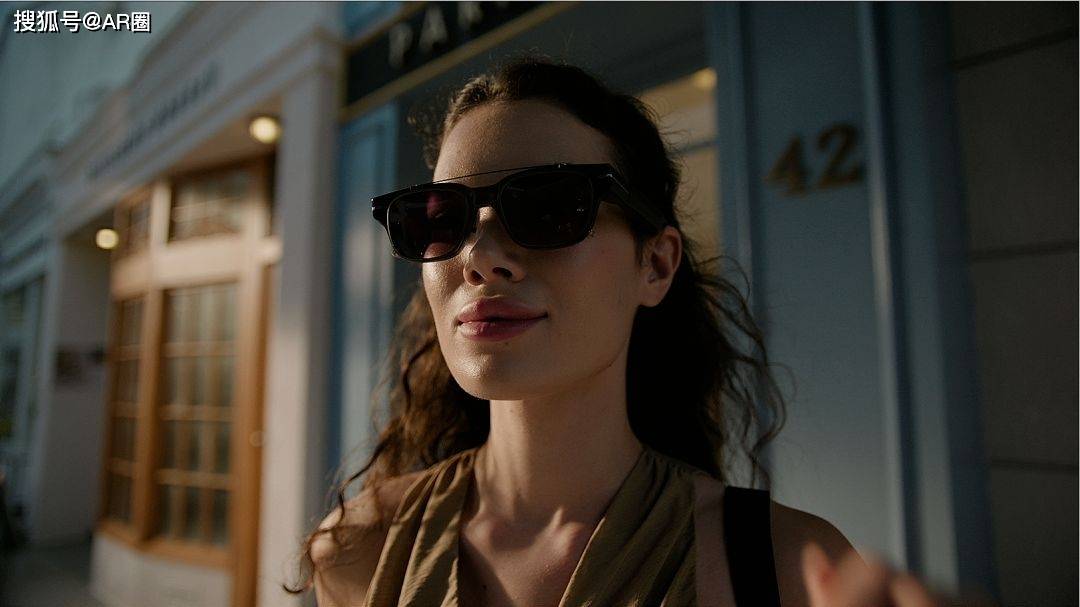
The strengths are the headline numbers. Sixty-five grams is at the low end of any full-color AR glasses on the market. The bridge-battery architecture is the right answer to the all-day problem, and the hardware privacy LED, which cannot be bypassed by software, is the kind of detail regulators will start demanding. The IMX681 global-shutter camera with centered framing preview is also unusual for consumer glasses, where most units force blind shooting. The six colorways and swappable lens program help the P1 look like an accessory rather than a prototype.
The weaknesses, however, are substantial. First, the field of view is 25 degrees, which is smaller than both XREAL Aura and VITURE Pro, and the 1280 by 480 per-eye resolution is low by 2026 standards; fine text and dense UI will look soft. Second, array waveguides are still vulnerable to rainbow fringing and diffraction glare in direct sunlight, and GOSIGHT’s own materials admit the outdoor performance has not been independently verified. The 800 nit brightness claim is an into-the-eye number, not a display luminance number, which means real-world outdoor visibility may disappoint. Third, the Indiegogo launch means the product is not yet shipping, the price has not been announced, and the twenty-language translation, meeting-note and teleprompter features are promised rather than demonstrated. Fourth, running a full Android stack on 69 grams with a swappable battery implies thermal and memory compromises that will show up in AI assistant latency. Fifth, GOSIGHT is a new brand with no established repair, warranty or app-store track record, which matters for a glasses product people wear on their faces every day.
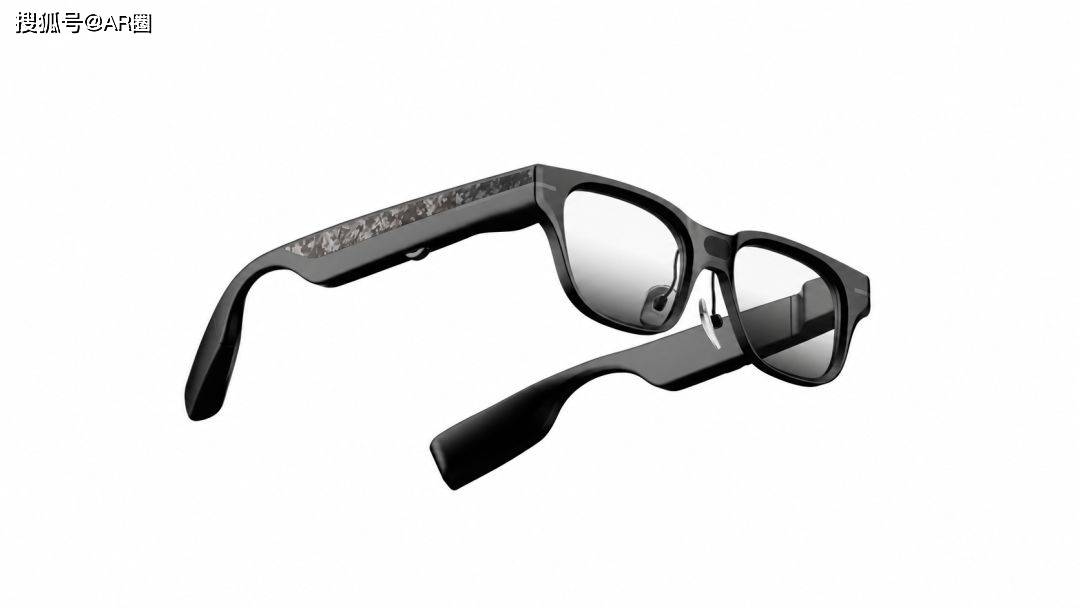
Verdict. The GOSIGHT P1 is the most interesting full-color AR glasses design we have seen this year, but it is a crowdfunding bet rather than a finished product. Back it on Indiegogo if you want a lightweight full-color glasses experience and you are comfortable waiting for the first production run. Skip it if you need a guaranteed shipping date, a large field of view, or a brand you can call when the bridge battery fails after a year. The engineering direction is correct; the execution risk is real.