
Samsung has spent the last two years watching the open-ear earbud market grow faster than its own in-ear Galaxy Buds line. Shokz built a category on bone conduction, Apple responded with AirPods 4 open-fit, and a dozen Chinese brands shipped clip-on earbuds at sub-$100 prices. The Galaxy Buds On, announced on October 1 and launching in Korea on October 27 at 299,000 won (about $220), is Samsung’s answer: a clip-on, open-ear design that wraps around the outer ear rather than entering the canal, and the first Galaxy Buds product to run on Qualcomm’s S7 Gen 1 audio platform.
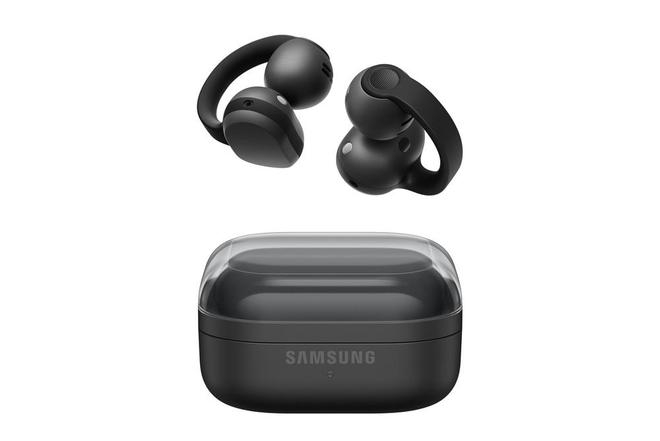
The mechanical story is about the clip. Samsung says it studied thousands of ear shapes in simulation to place the speaker and battery so pressure distributes evenly across the cartilage, and the result is a pair of earphones that sit outside the ear canal and let ambient sound in. Each earphone uses a TwinBoost dual-woofer arrangement to compensate for the low-end loss that plagues open-ear designs, plus a first-of-its-kind Audio Leakage Reduction system intended to keep neighbors in a cafe or library from hearing your playlist. Three microphones plus a vibration sensor handle voice pickup, and the earbuds automatically raise or lower volume as ambient noise changes.
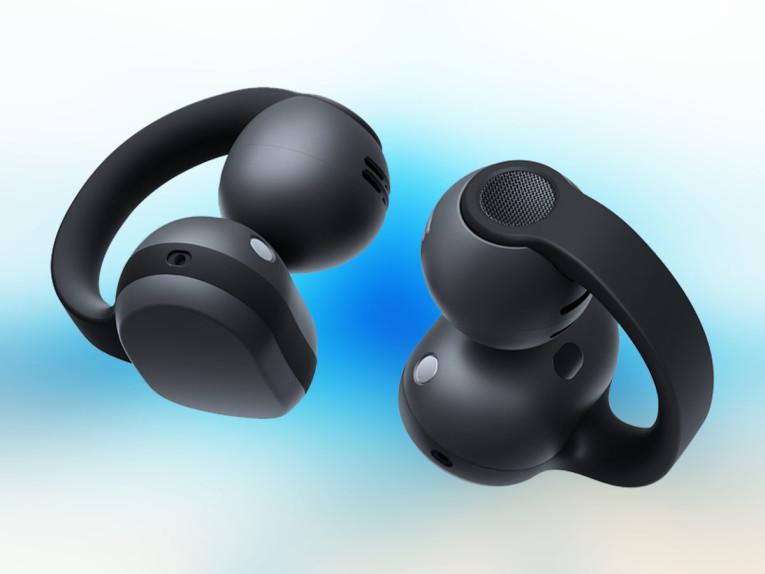
The software stack is where Samsung is trying to differentiate. Paired with a Galaxy phone or tablet, the Buds On support head gestures: a nod answers a call, a shake hangs up, another motion dismisses an alarm or reads a notification out loud. Long-pressing the back starts a Quick Voice Memo that Bixby can later search, and the wake phrase “Hey Google, let’s go live” summons Gemini Live for continuous conversation. The battery is rated at 9.5 hours per charge, which is competitive but not class-leading against Shokz’s open-ear units.
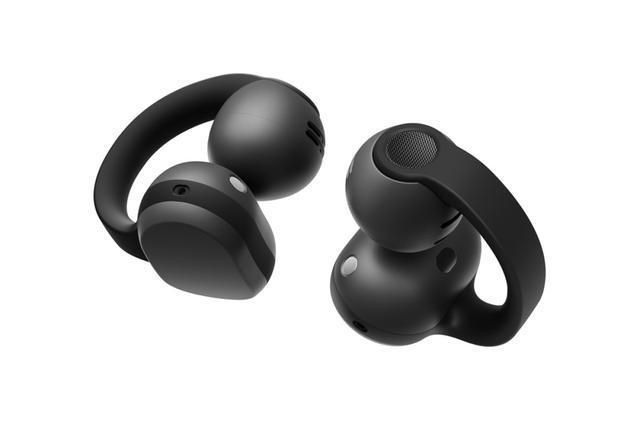
The competitive set is crowded. Shokz OpenFit 2 offers similar open-ear comfort at a lower price but lacks Samsung’s integration stack. Apple’s AirPods 4 open-fit is a half-in-ear design, not a true clip-on, and works only well inside the Apple ecosystem. Anker’s Soundcore brand, JBL and Bose all ship open-ear or open-fit options under $200. The Buds On’s real selling point is not hardware but the Galaxy ecosystem: head gestures, Gemini Live, Bixby voice memo search and automatic volume tuning only really matter if you own a recent Samsung phone. Buyers on iPhone or Android flagships from other OEMs will pay a Samsung premium for hardware that does not integrate as deeply.

The strengths are real. The S7 Gen 1 chip brings proper on-device audio processing, the TwinBoost dual-woofer system is the most credible attempt yet at low-end response in a clip-on form factor, and the Audio Leakage Reduction is the kind of detail that makes open-ear buds socially acceptable. The head gestures are a genuine hands-free advantage for runners and cyclists who cannot touch the earphones. Nine and a half hours per charge is also competitive.
The weaknesses, however, are substantial. First, the $220 asking price is high for a product whose core use case – ambient awareness while playing music – is already handled by cheaper Shokz and Soundcore alternatives, and the premium is only justified inside Samsung’s walled garden. Second, open-ear physics have not been solved: even with TwinBoost, bass will not match an in-ear Galaxy Buds with the driver sealed against the ear canal, and the leakage reduction works only partially in loud public spaces. Third, the head-gesture and Gemini Live features depend on a recent Galaxy phone, a recent Android version and a network connection, which means they fail exactly when you are most likely to use them – on a run with spotty service. Fourth, the charging case is largely unchanged from Galaxy Buds 4, which means no wireless charging upgrade, no larger battery, and a design that feels like a cost-cut afterthought. Fifth, Samsung’s history with open-ear products is short, and long-term comfort on different ear shapes will take months of real-world wear to validate.

Verdict. The Galaxy Buds On is a solid, well-engineered entry into the open-ear category for existing Galaxy owners who want ambient awareness and hands-free voice features. It is not a must-buy for iPhone users, for budget-conscious runners who already own Shokz, or for anyone who wants genuine bass response. At 299,000 won in Korea and roughly $220 internationally, Samsung is betting that ecosystem integration justifies the premium. Whether it does depends on how often you actually nod at your phone while jogging.