
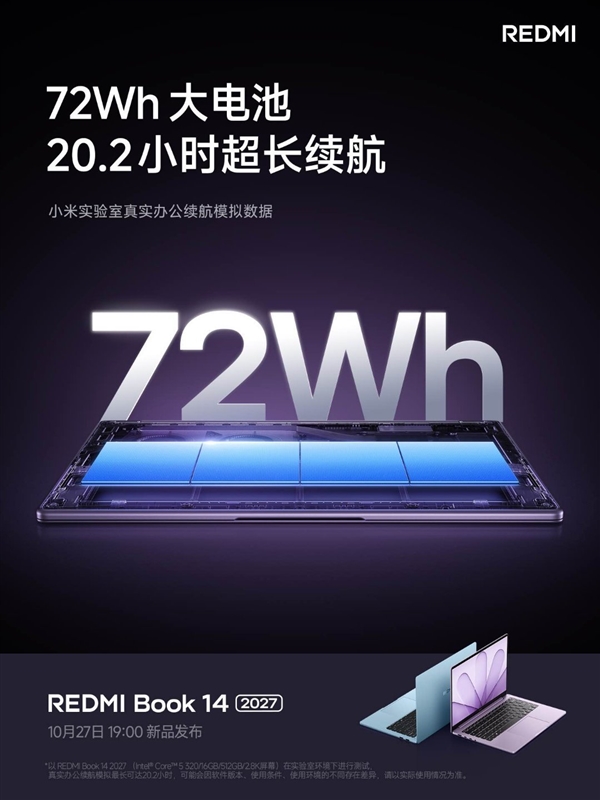
The AI PC market in China is quietly consolidating around two platforms: Intel’s third-generation Core Ultra on 18A and AMD’s Lunar Refresh. REDMI Book 2027, officially confirmed for an October 27 launch at 7 p.m. alongside the REDMI K100 phone, is Xiaomi’s value take on the Intel side. The pitch is familiar: a thin metal unibody, a 72 watt-hour battery, a colorful paint job, and an AI assistant called Super Xiao Ai 2.0 built on Xiaomi’s own MiMo large language model. The 14-inch version promises 20.2 hours of office-use battery life in lab testing; the 16-inch version adds a numeric keypad for the first time.
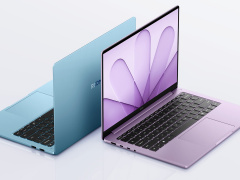
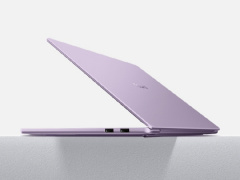
The hardware story is thin because Xiaomi has held back most of the details. What we know: the machine runs on Intel’s third-generation Core platform built on the 18A process node, paired with LPDDR5X memory. The 14-inch model carries a 72 Wh battery, a metal chassis with rounded corners, narrow bezels, and a large touchpad. Port selection is unusually complete for a thin-and-light: two USB-A ports, two USB-C ports, HDMI and a 3.5 millimeter headphone jack, which means buyers will not need a dongle on day one. The 16-inch variant adds a dedicated numeric keypad. Two colors, blue and purple, are confirmed; weight, screen resolution, refresh rate, exact CPU SKU and price are all reserved for the October 27 event.
The AI layer is the more interesting bet. Super Xiao Ai 2.0, running on Xiaomi’s MiMo model, is supposed to generate PowerPoint decks, create web pages and videos, and hand off tasks between phone and laptop. The cross-device integration is the differentiator: a REDMI phone can search files on the laptop by voice, and AI tasks can continue on either device depending on where the user is. This is the same playbook Huawei and Honor have used for years, but Xiaomi is bringing it to a price band where most buyers have never had a working local AI assistant at all.
The competitive landscape is brutal. Lenovo’s IdeaPad Pro, HP’s OmniBook, and Acer’s Swift line all ship on the same Intel 18A platform at similar price points, and Microsoft’s Copilot+ branding sets expectations for local AI features that Xiaomi will have to match. Within China, Honor’s MagicBook and Huawei’s MateBook D series already have mature phone-to-laptop continuity. The REDMI Book 2027 will need to undercut those on price, leverage the K100 launch bundle, and hope that Super Xiao Ai 2.0 feels faster than Copilot+ on the same silicon.
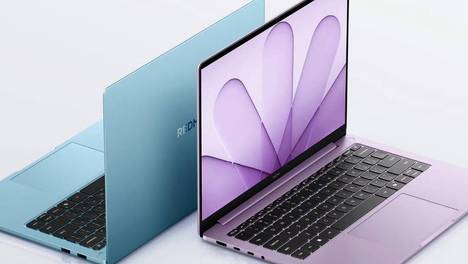
The strengths are predictable. The 72 Wh battery in a 14-inch chassis is genuinely large – most rivals in this band ship 50 to 60 Wh – and the 20.2 hour office-use claim, if it holds up in real testing, will be a headline advantage. The port selection is refreshing. The metal chassis, narrow bezels and colorful finish make the machine look more expensive than it likely is. The cross-device AI handoff with REDMI phones is a real advantage for Xiaomi’s installed base.
The weaknesses, however, are significant. First, almost every meaningful spec is still unannounced: price, exact CPU SKU, RAM configuration, storage speed, screen resolution, refresh rate, peak brightness, speaker count, webcam resolution and weight. A buyer cannot make a real purchasing decision on October 25. Second, the 20.2 hour battery claim is a Xiaomi-lab number that will almost certainly shrink under real workloads, especially with the 18A chip running AI tasks. Third, Super Xiao Ai 2.0 is a first-generation implementation on a value laptop, and local AI features on budget Windows machines have a history of feeling sluggish or half-baked. Fourth, the 16-inch model adds a numeric keypad but no dedicated GPU option, which means creators will still need to look elsewhere. Fifth, REDMI’s track record on BIOS and driver updates for laptops is shorter than Lenovo’s or HP’s, which matters for a five-year ownership cycle.

Verdict. The REDMI Book 2027 is a likely value play for office workers inside Xiaomi’s ecosystem who want a large battery and a complete port selection without paying premium-brand pricing. It is not a purchase decision yet – wait until the October 27 event confirms price, CPU SKU, screen specs and weight before ordering. It is not aimed at creators, gamers, or anyone who needs local AI performance above the entry level. The battery is the headline; the rest will need to be proven on October 27.