
Realbotix launched Echo on October 26, 2026 as a humanoid platform aimed at education, therapy and social companionship, in two very different sizes. The Tabletop model is a desk-sized bust at $11,950; the Full Body is a life-sized humanoid at $59,950. Both wear Realbotix’s signature lifelike silicone skin and need a monthly AI subscription on top of the hardware. This is not a factory robot; it is a conversation partner with a face.
What It Is
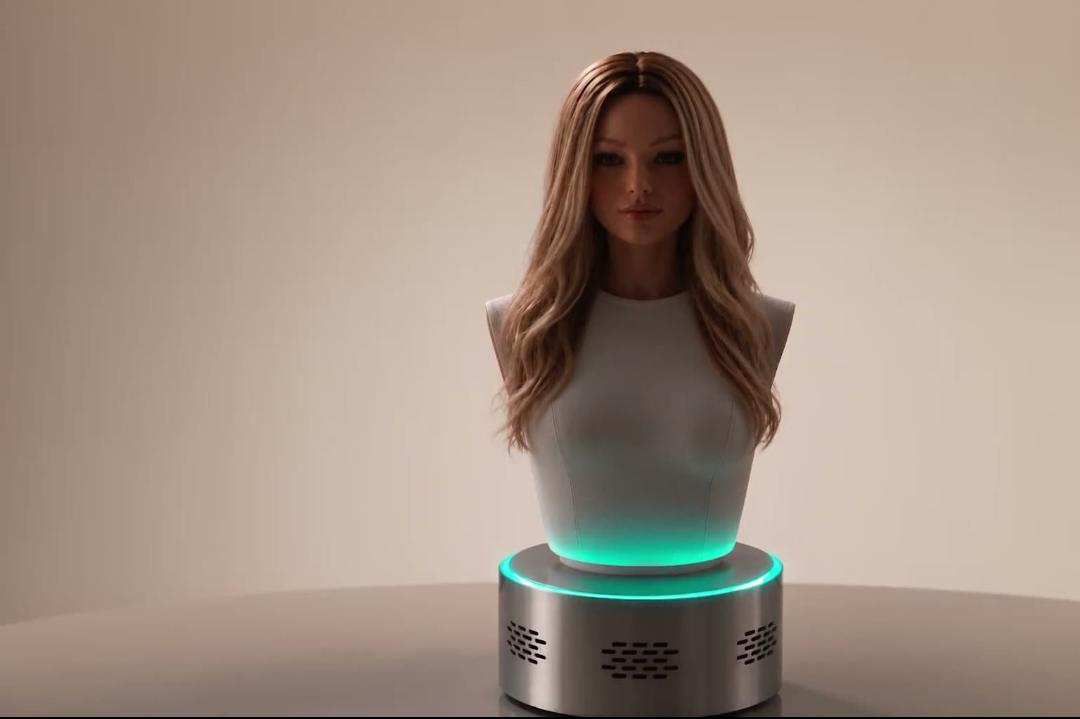
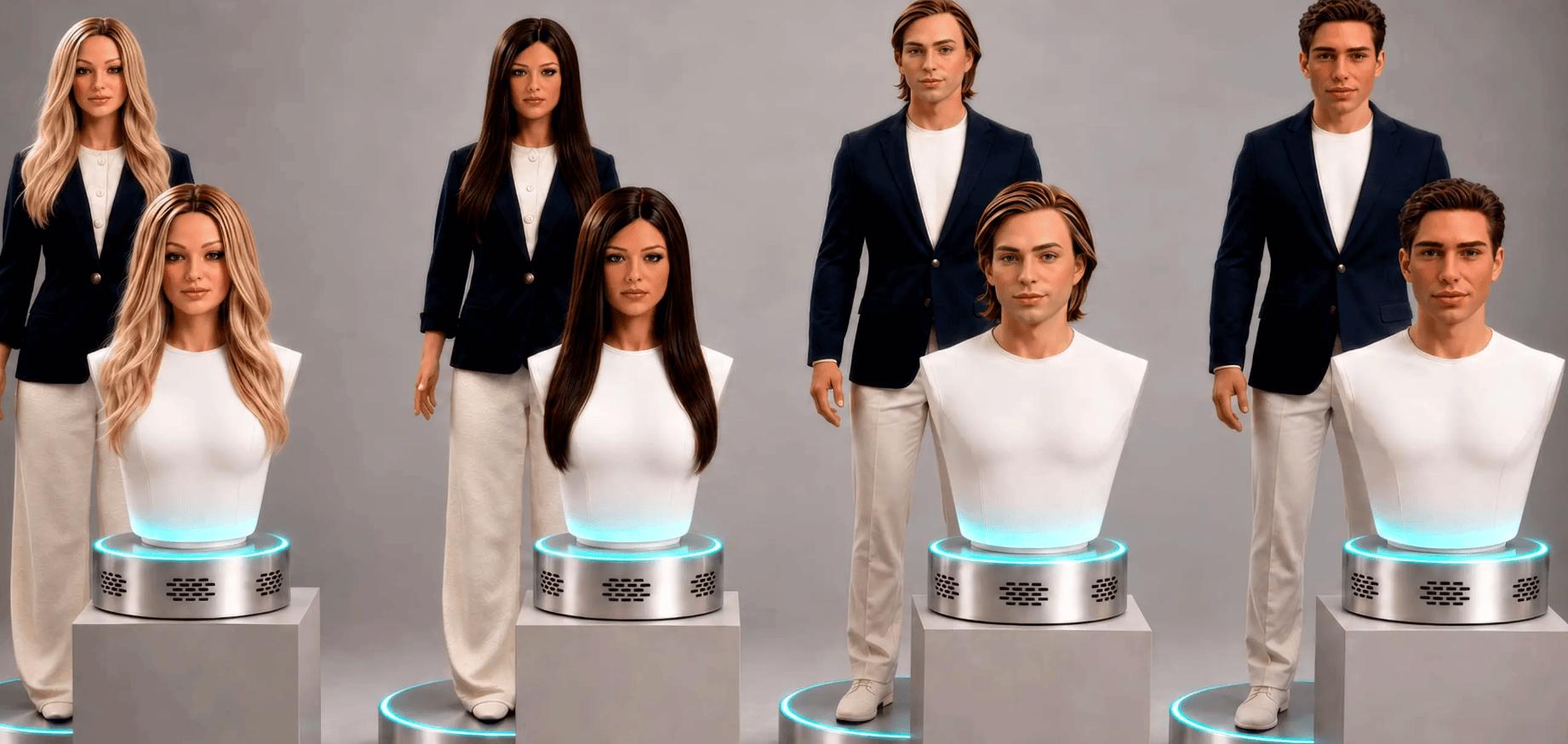
Echo is pitched for schools, eldercare and wellness settings rather than warehouses. The Tabletop unit has 17 degrees of freedom, weighs about 25 pounds (11 kg) and stands 32 inches (81 cm) tall, designed to sit across a desk from one person. The Full Body model scales to 39 degrees of freedom, roughly 88 pounds (40 kg), and either 72 inches (female) or 77 inches (male). Customers pick from four characters named Aria, Mila, Dave and Amar, each with a distinct personality, voice and interaction style.
Design and Hardware
The headline feature is the silicone skin and expressive facial musculature, borrowed from Realbotix’s history building hyper-realistic humanoids. The Tabletop’s round glowing base hides the chest-mounted speaker and compute. The Full Body adds articulated limbs but is not built to walk a factory floor; its value is presence, manipulation and conversation, not locomotion.
Core Features
The Vinci Vision System handles the perception side: face recognition, sustained eye contact and reading emotional cues on the face it is talking to. Underneath, configurable personalities and conversational AI drive what each character says and how it moves. Realbotix positions Echo as a one-on-one tutor, a therapy companion or a social anchor in eldercare, where a persistent, expressive presence matters more than raw task speed.
Hands-On Experience
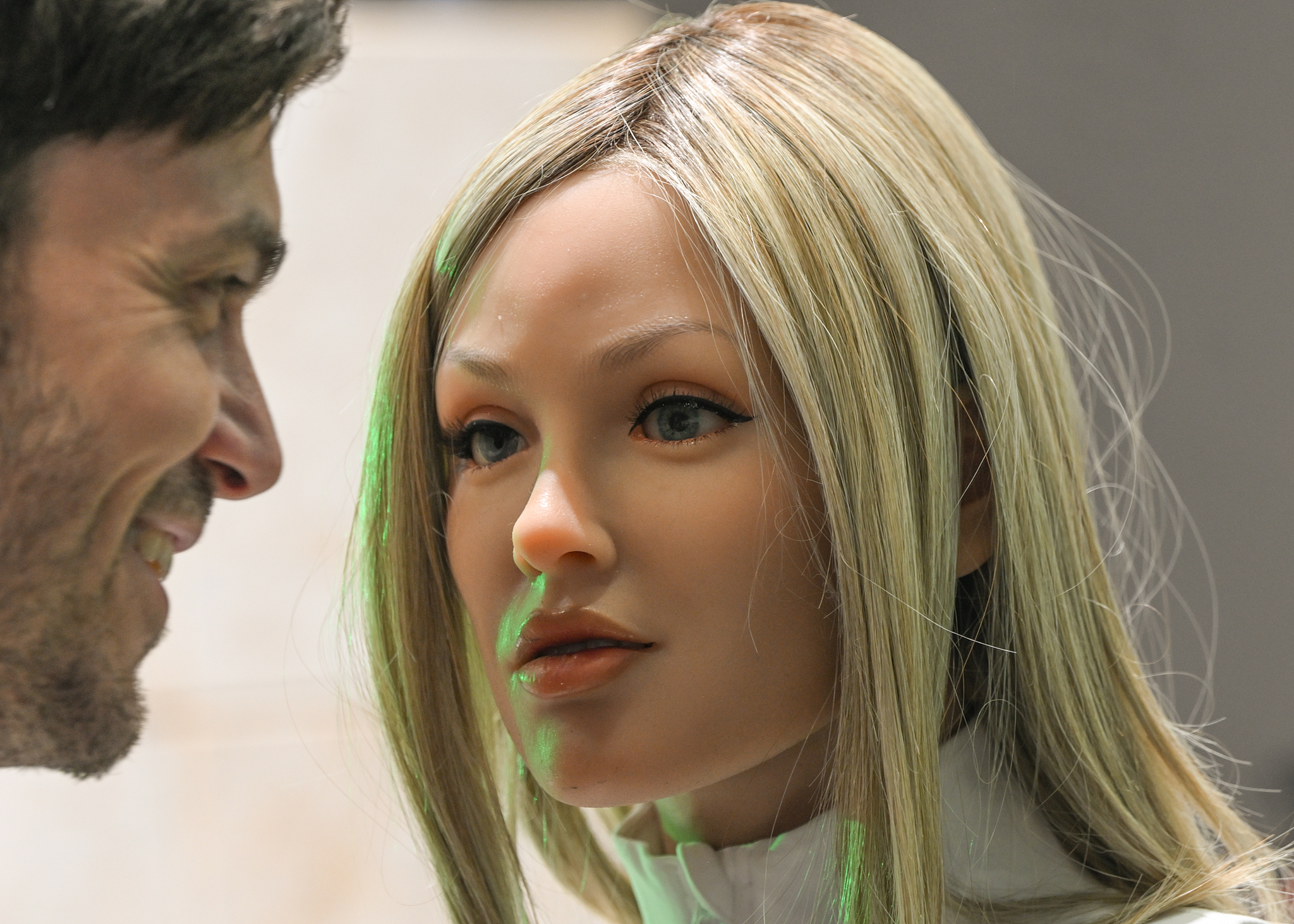
We are working from launch materials rather than a hands-on session. The pitch is that the eye contact and facial expression hold up close, which is exactly what a desk-facing tutor needs. The risk is the uncanny valley in motion: silicone skin that looks still in renders can read as off the moment the face animates. Realbotix’s prior characters at CES and IFA suggest the company is further along than most, but demonstration polish and daily reliability are different things.
Shortcomings and Cons
The price is staggering. $11,950 buys a 32-inch bust with no legs. The Full Body jumps to $59,950. This is institution pricing, not consumer, and even schools will blanch at a per-unit cost that rivals a cheap car.
You pay forever, not just once. A monthly AI subscription sits on top of the hardware. Stop paying and the conversation partner goes quiet. That recurring revenue model is hostile to cash-strapped schools and nursing homes.
The lineage is a genuine liability. Realbotix acquired Simulcra, a maker of adult dolls, and a planned school pilot in Salamanca, New York was suspended after parents and teachers objected. Student data privacy and the company’s origins are not side issues; they are the central sales obstacle.
Delivery is 2027, and barely any units exist. The initial run is 225 Tabletop and 25 Full Body robots, shipping in the second half of 2027. Reservation requires a $199 deposit. This is a pre-order for a product more than a year away.
The ethics are unresolved. Selling an emotionally expressive companion into eldercare and classrooms invites questions about dependency, isolation and who owns the relationship between a vulnerable person and a robot. Nobody has settled that yet.

Pricing and Availability
The Echo Tabletop costs $11,950 and the Echo Full Body $59,950, both plus a monthly AI subscription. Reservations open with a $199 deposit, with the first 225 Tabletop and 25 Full Body units delivering in the second half of 2027. The launch coincides with the pending acquisition of Realbotix by Onconetix (Nasdaq: ONCO).
Verdict
Echo is the most polished attempt yet to sell a near-term, non-industrial humanoid into education and eldercare, and the silicone face genuinely advances the art. But the price, the perpetual subscription, the Simulcra baggage, the year-long wait and the unresolved ethics of robot companionship make this a bold bet rather than a buy. Realbotix has built something that looks like the future; whether schools and nursing homes can afford it, or trust it, is a much harder question.