
POLARIX AI Monitoring: Wearable Vital Sign Monitoring

It is expected to launch officially by the end of 2026 and is not yet available for sale.
Health monitoring has become the most critical differentiator for smartwatches. The Huawei WATCH FIT 5 Pro builds a comprehensive protection system spanning from basic vital signs to chronic disease risks, including 24-hour heart rhythm monitoring, vascular elasticity assessment, and metabolic status analysis. The series is equipped with Huawei’s self-developed TruSeen 5.5+ algorithm, which the company claims can effectively reduce interference from factors such as movement and skin tone, thereby improving monitoring accuracy.
It is expected to launch officially by the end of 2026 and is not yet available for sale.
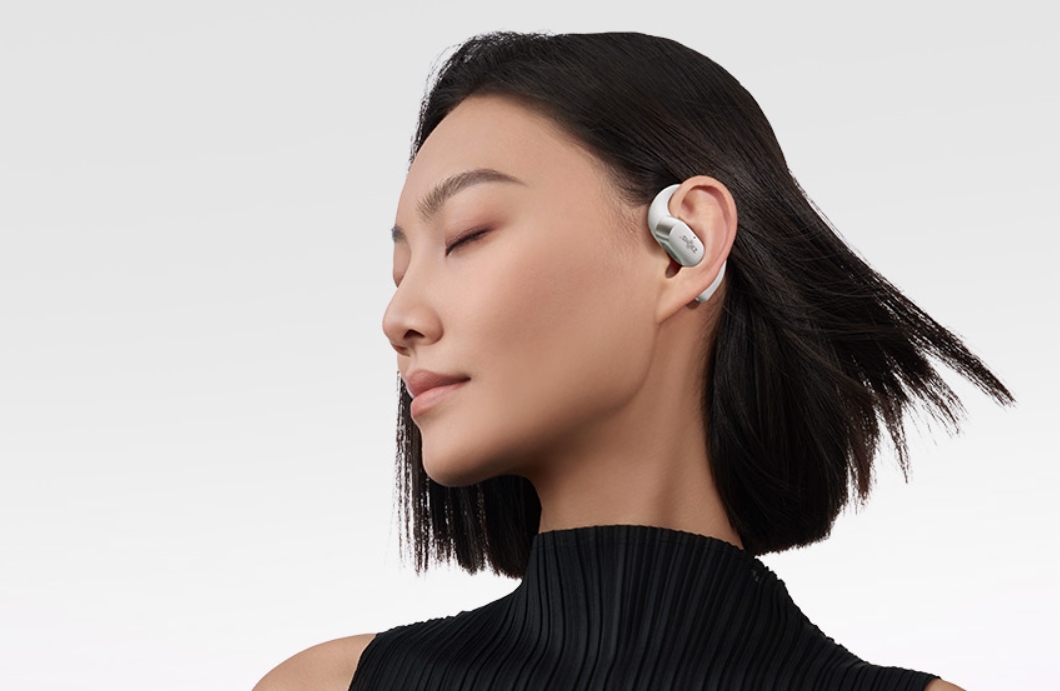
Launched for pre-sale on August 17, the Shokz OpenFit 2 AI deeply integrates open-ear acoustic hardware with the Qwen large language model.
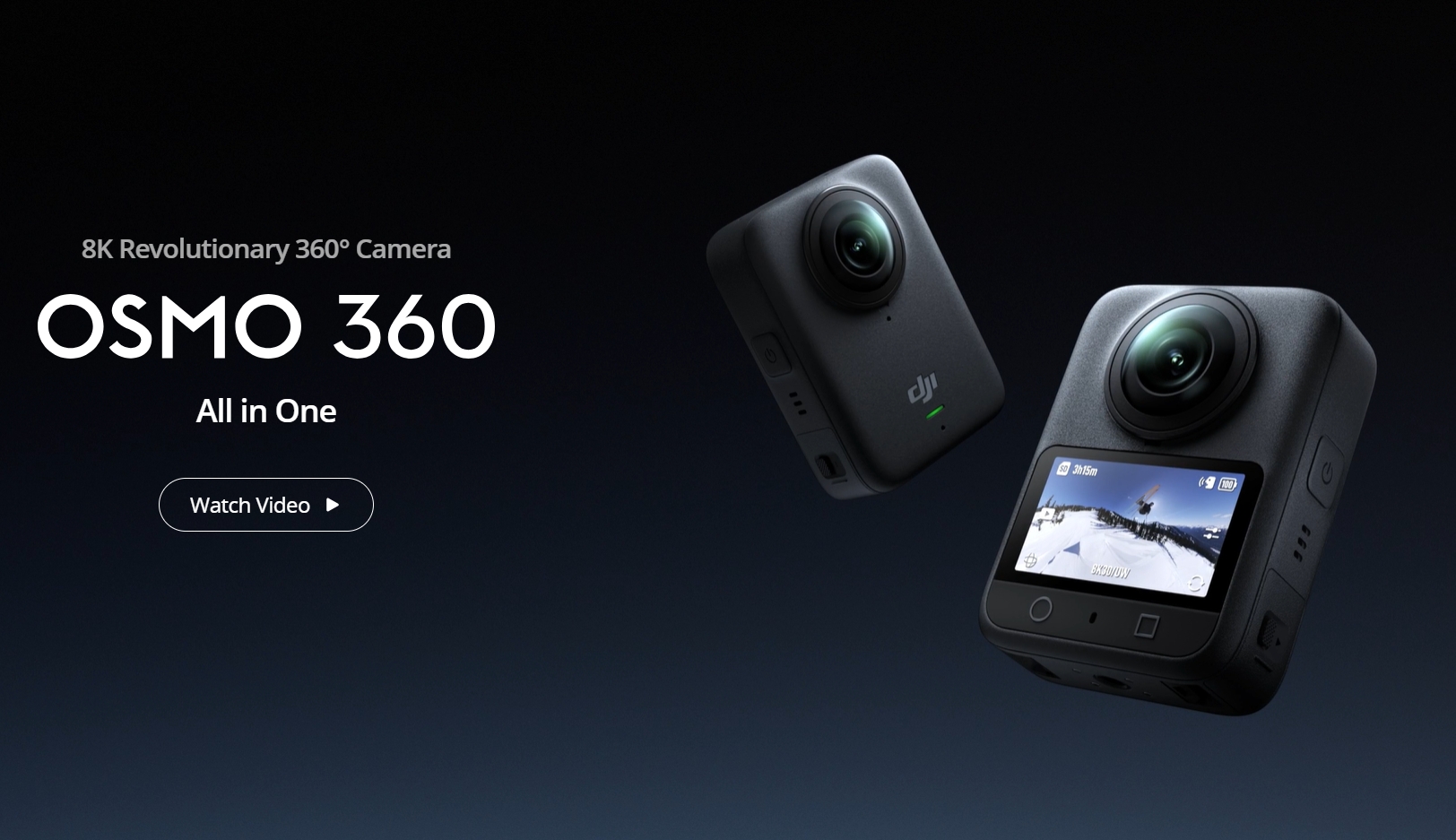
DJI officially launched the Osmo 360 II, its second-generation panoramic gimbal camera.
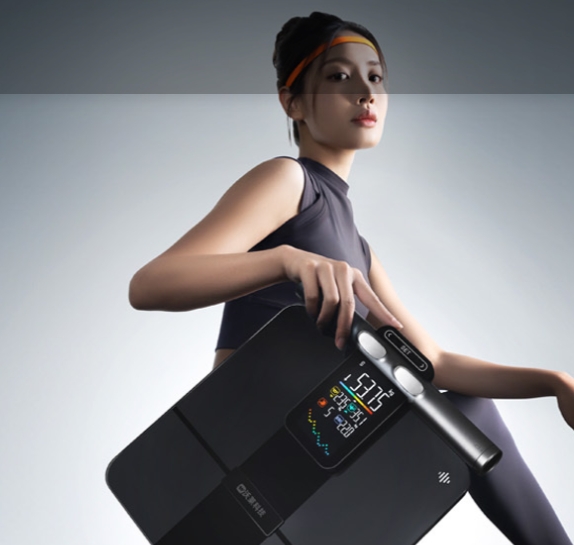
The Ant Afu AI Smart Body Fat Scale A1—a product that has recently taken the market by storm—breaks away from the hardware-only race.
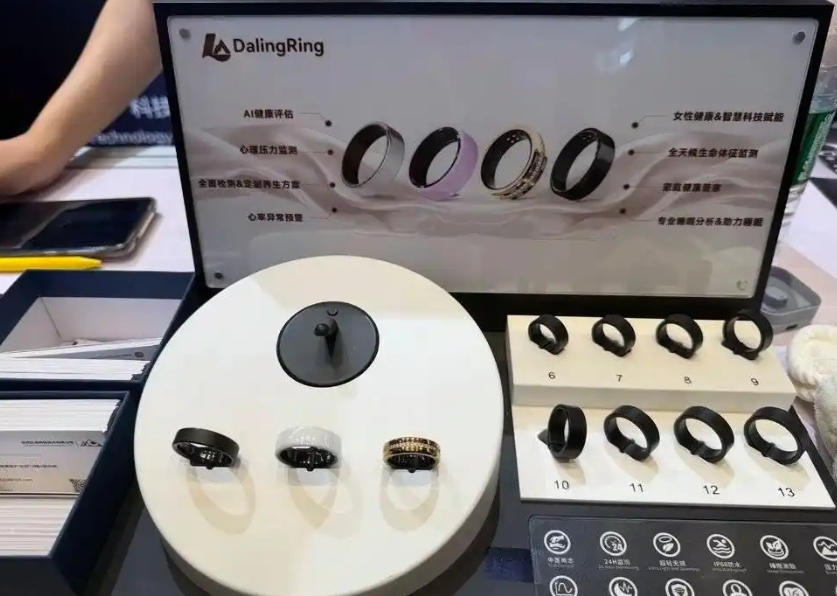
The DalingRing AI health smart ring targets a major pain point in the current wearables market.
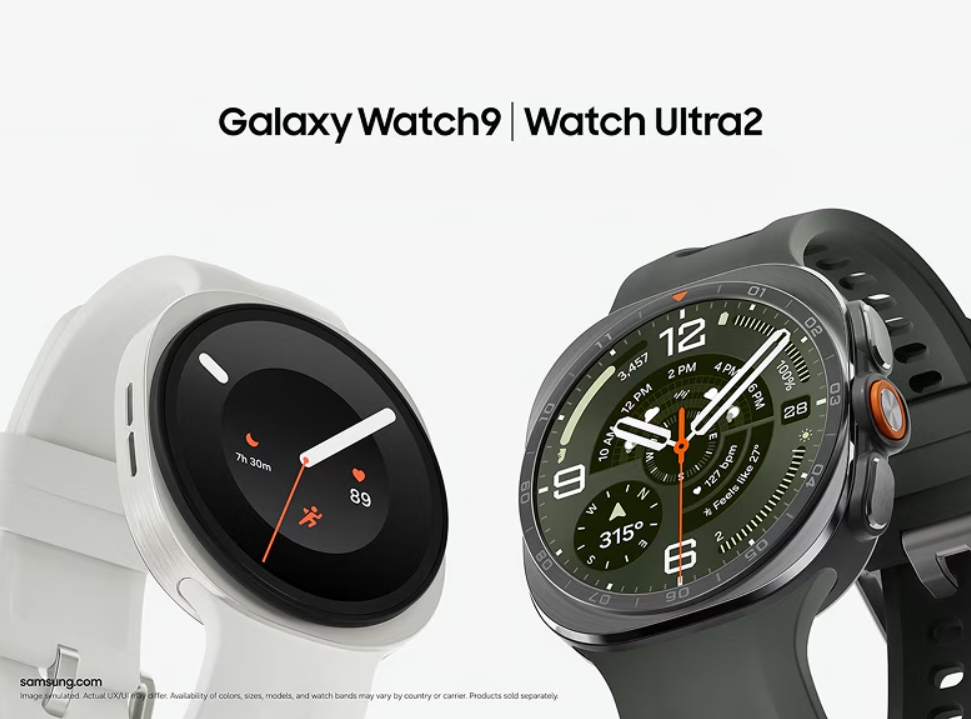
The next generation of dual-flagship smartwatches—the Galaxy Watch 9 and Galaxy Watch Ultra 2—officially debuted.
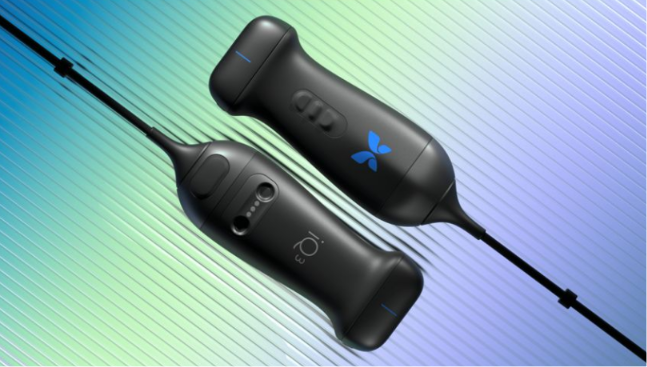
If you believe the ultimate form of consumer health monitoring is “scanning your whole body as easily as stepping on a scale,” the Midjourney Scanner may be one of the most compelling concept hardware devices to watch in 2027—provided it crosses the chasm from prototype to regulatory approval.
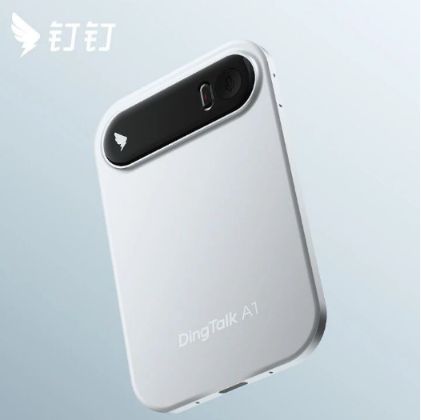
One-sentence verdict: If DingTalk can prove that a $138 clip-on device plus a vertical medical model can genuinely reduce doctors’ documentation burden without compromising patient privacy, this could be the most practical AI healthcare hardware to watch in 2026.