
In-Depth Review of Xiaodu AI Glasses
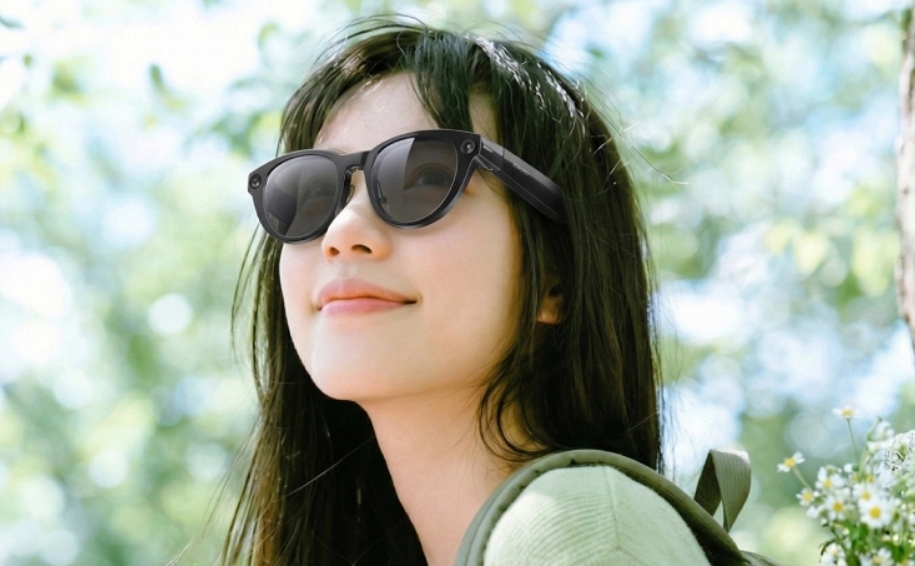
With an accessible price point and a lightweight design, the product targets everyday consumers, commuters, and casual content creators, positioning itself as “affordable AI glasses for everyone.”
Smart glasses powered by Meta AI, enabling hands-free navigation, translation, and information queries through voice commands. Unlike traditional phone interaction, Meta AI glasses bring the AI assistant directly into the user’s field of vision, allowing on-demand artificial intelligence during exercise, cooking, commuting, and other daily scenarios for significantly improved convenience.
With an accessible price point and a lightweight design, the product targets everyday consumers, commuters, and casual content creators, positioning itself as “affordable AI glasses for everyone.”
Developed through multiple rounds of design refinement and powered by the OriginOS comprehensive AI ecosystem, the vivo AI Smart Glasses break away from the traditional AR headset focus on massive displays.
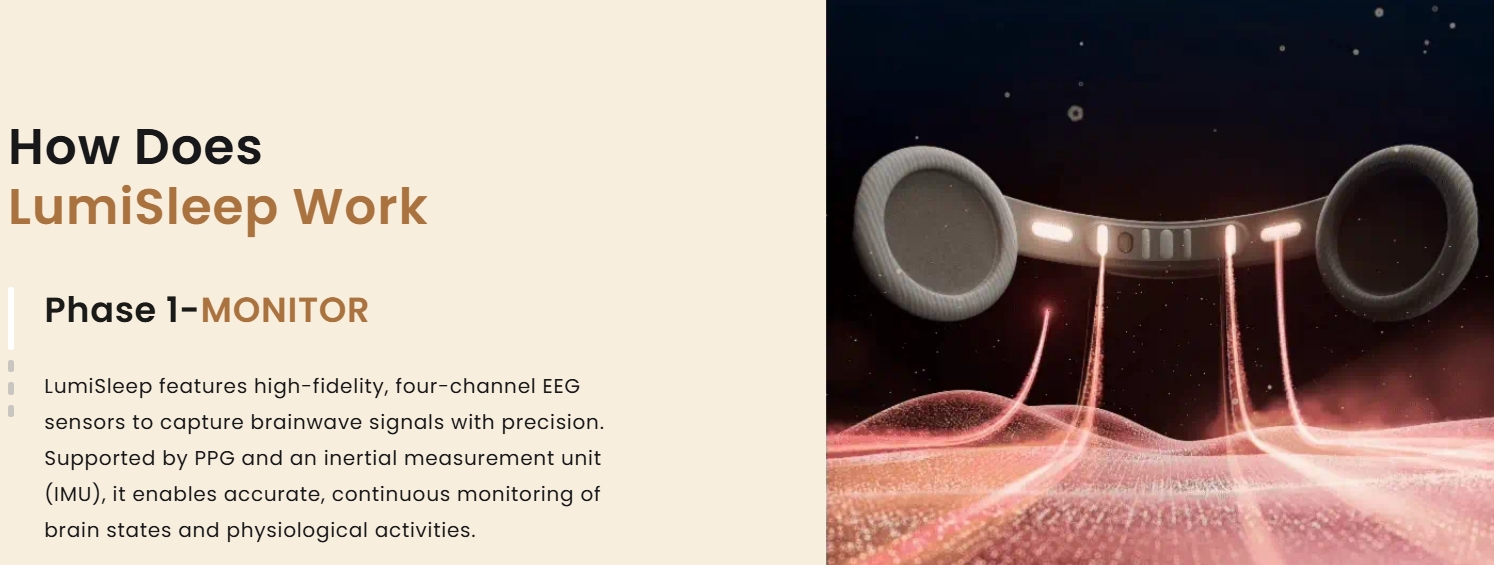
A consumer-grade non-invasive EEG wearable device
VITURE has unveiled Helix at AWE 2026, the world’s first industrial-grade AI safety eyewear built on NVIDIA’s XR AI platform. Priced at $600, this device targets industrial, scientific, and clinical workflows with real-time multimodal AI coaching. Moreover, it represents a fundamental shift from consumer entertainment to enterprise productivity in the XR industry. What Makes Helix … Read more
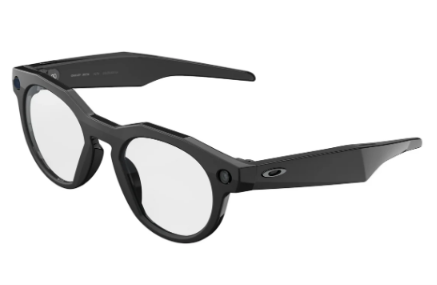
Meta has officially partnered with Oakley to launch the Oakley Meta HSTN, its first performance-oriented AI smart glasses. Priced at $399, this device targets athletes and outdoor enthusiasts with upgraded cameras, longer battery life, and sport-specific features. Moreover, pre-orders open on July 11, with standard models shipping later this summer.
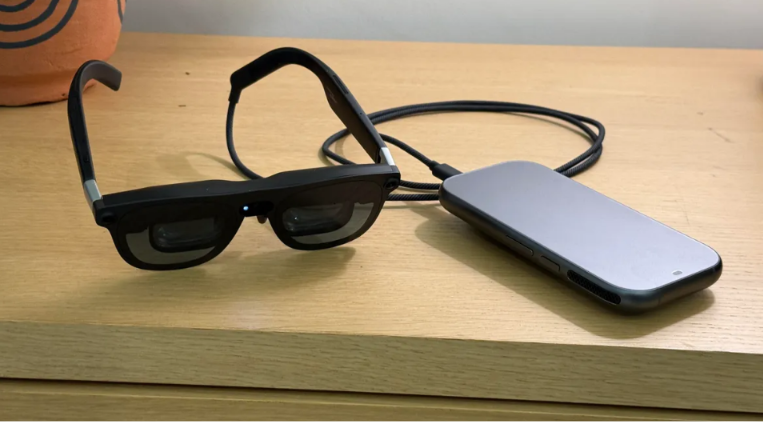
XREAL has officially unveiled Aura, the world’s first consumer-grade XR glasses running Google’s Android XR platform. At just 95 grams with a 70-degree field of view, Aura bridges the gap between bulky headsets and everyday eyewear. Moreover, it arrives this fall with a price ceiling of $1,500, making it one of the most accessible high-end XR devices yet.
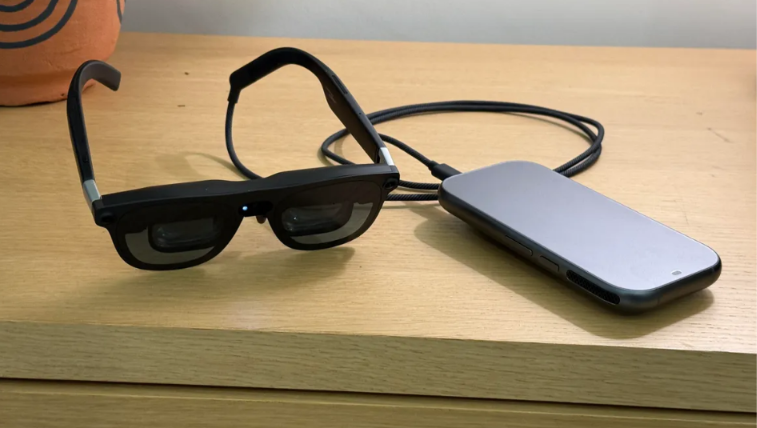
One-sentence verdict: If Google can leverage its decade of Android ecosystem investment to make spatial computing feel as natural as using a smartphone, the Xreal Aura may be the first XR device that mainstream users actually want to wear—and not just for novelty.
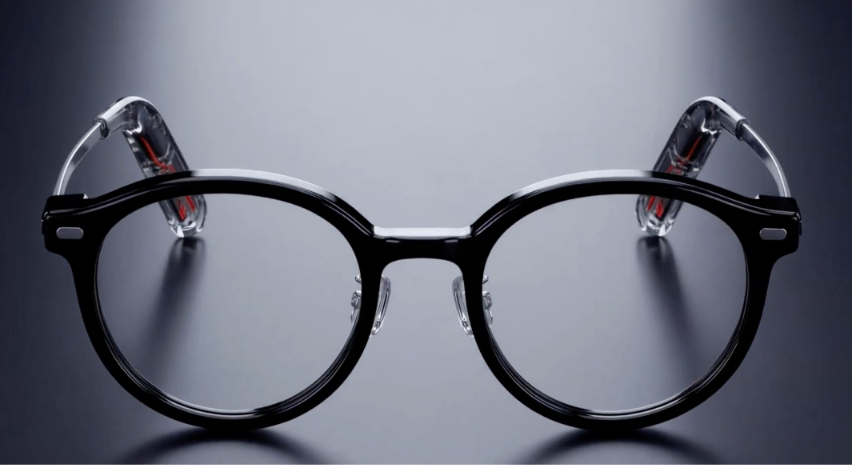
One-sentence verdict: If the ultimate form of AI glasses is “looking like regular glasses,” the LOHO×NIMO partnership may be the closest answer in 2026—and at 2,499 RMB including lenses, it qualifies for mainstream consumer consideration.