Introduction
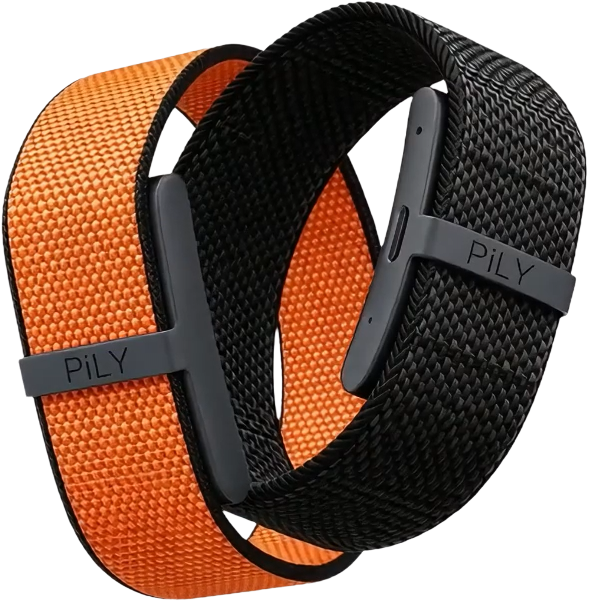
AI voice recorders have mostly lived as pocket cards, lapel dongles, or rings that compromise microphone quality for discretion. PiLY takes the opposite route: a screen-free wrist band that combines a far-field microphone for one-press voice capture with 24/7 PPG health tracking, turning the wrist into both a meeting recorder and a biometric monitor. Built by Hong Kong-based Pi Team, PiLY is live on Kickstarter, where it had raised roughly $25,000 against a modest $3,822 goal with around 170 to 199 backers by the observation window, and it estimates delivery for March 2027. This review evaluates the campaign on published specifications; no retail unit has shipped.
What It Is
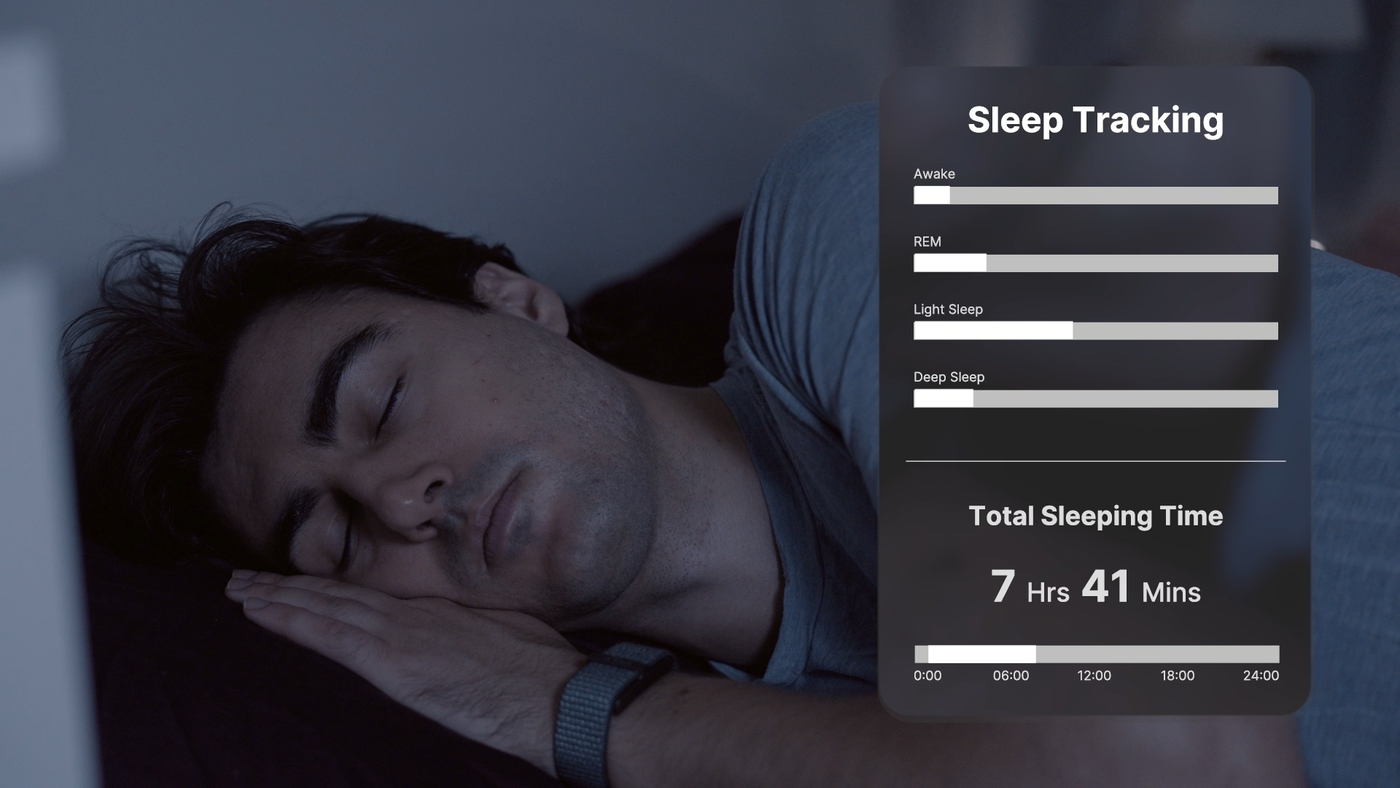
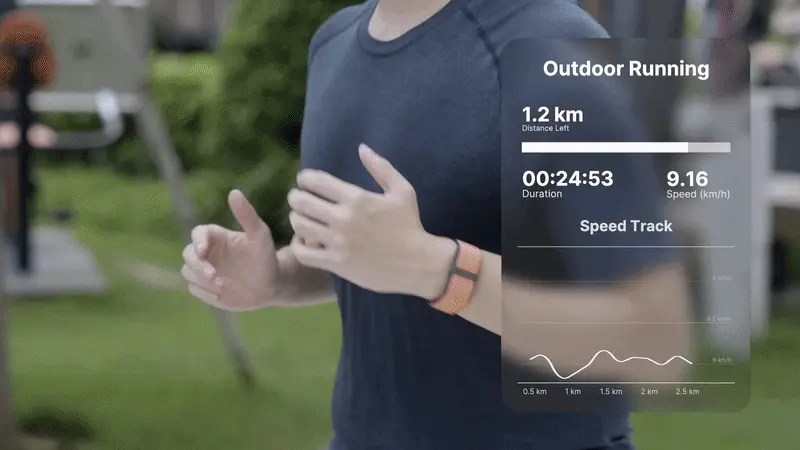
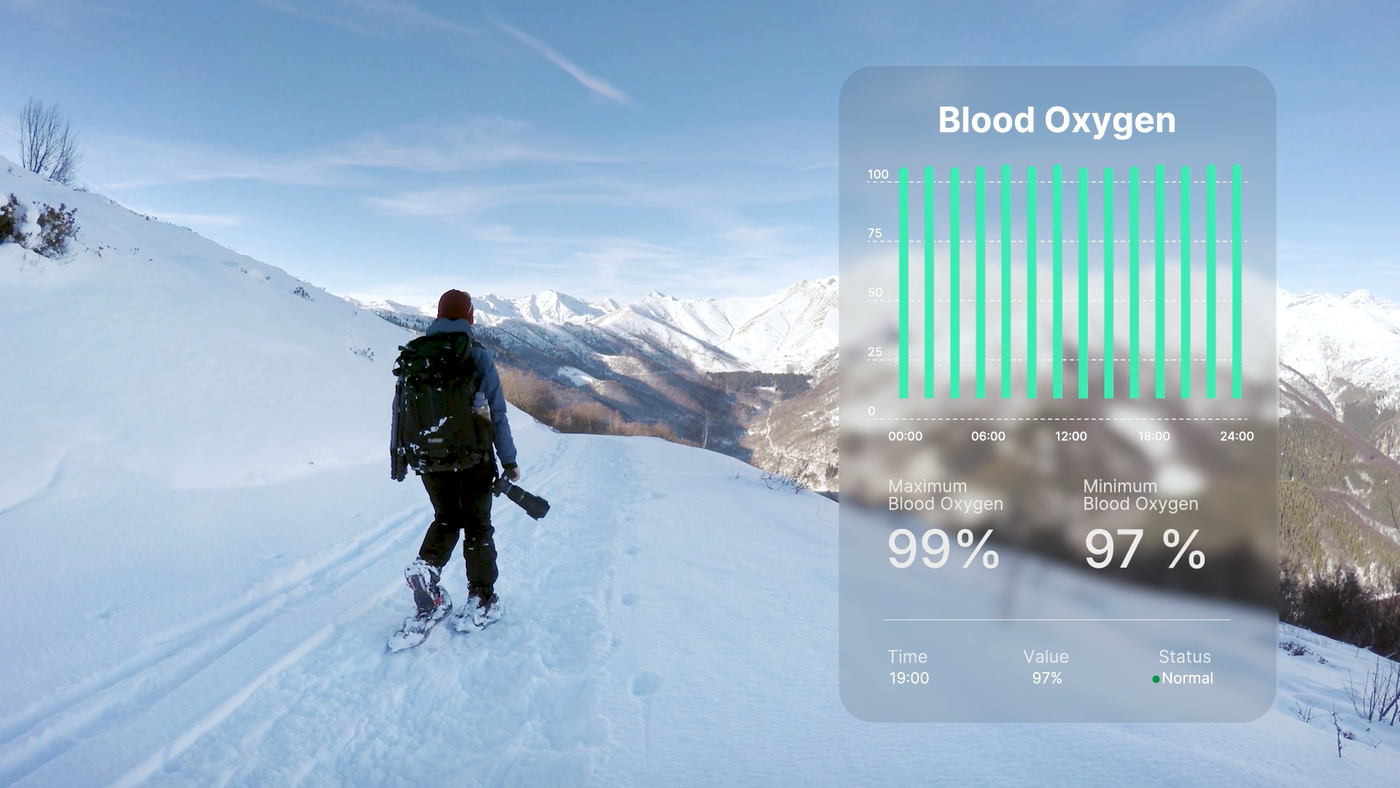
PiLY is a lightweight, display-free wearable worn like a sport band. A single press starts recording without unlocking a phone or opening an app; audio stays in internal storage until it is exported to the companion app, where the OpenAI-powered engine transcribes it, writes an executive summary, builds a mind map, and extracts action items across 120-plus languages. The same band continuously measures heart rate, heart rate variability, blood oxygen, stress index, and overnight sleep stages, then syncs to Apple Health, Google Health Connect, and Strava. There is no subscription, no account registration, and the company says health data never leaves the phone.
Specifications
| Attribute | Detail |
|---|---|
| Microphone | Far-field MEMS, 10 m pickup; 24-bit / 96 kHz WAV; 123 dB AOP; 70 dB noise immunity (PSRR) |
| AI processing | OpenAI API transcription, summaries, mind maps, action items; 120+ languages |
| Recording | One-press start; ~10 hours continuous; internal storage; 2-hour segments on import |
| Health sensors | 24/7 PPG: HR, HRV, SpO2, stress index, sleep stages; 180+ sports modes |
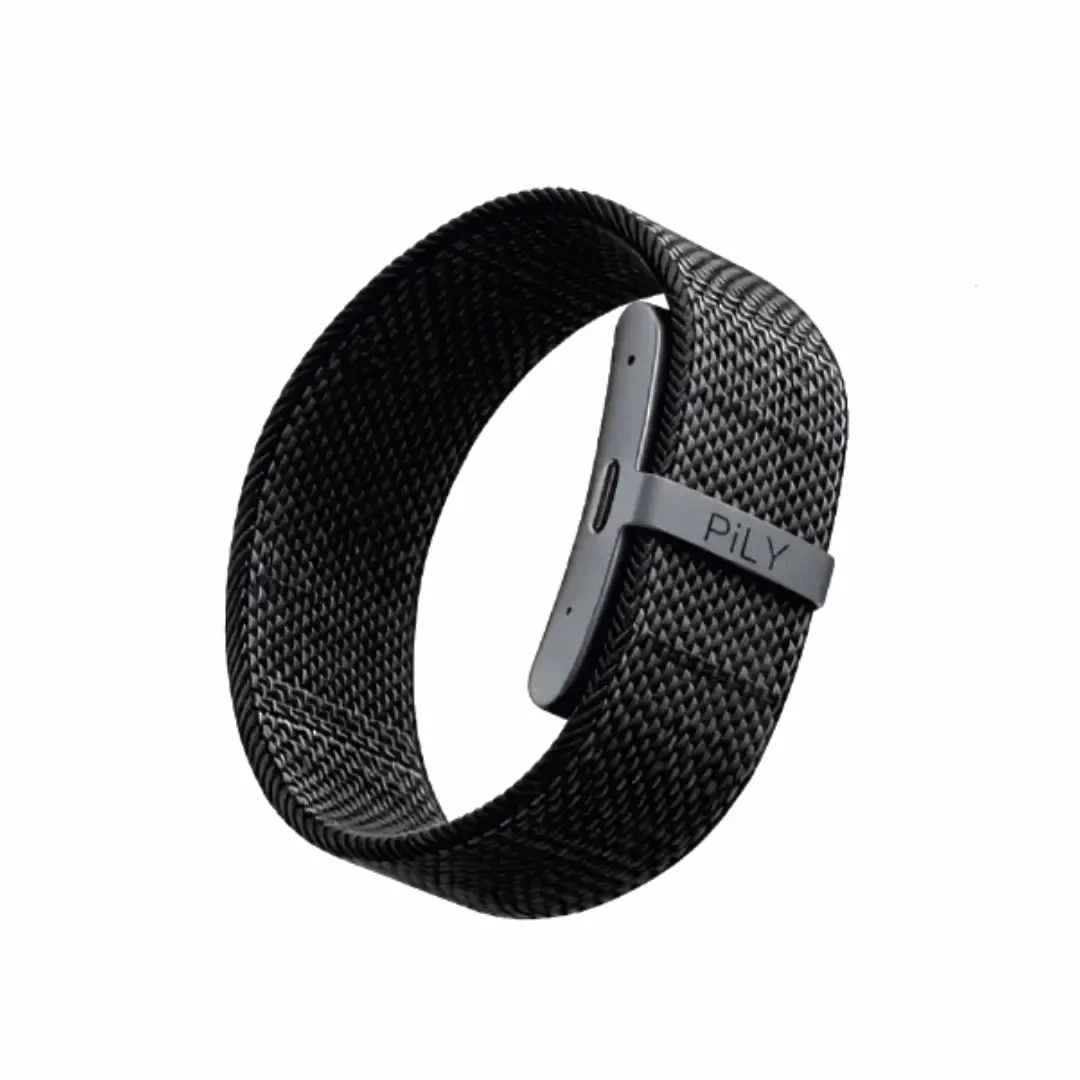
| Battery / Build | Up to 14 days typical wear; IP67; screen-free; magnetic charging cable |
| Sync / Privacy | Apple Health, Google Health Connect, Strava; local-only health storage; metadata-free encrypted audio copy deleted after analysis |
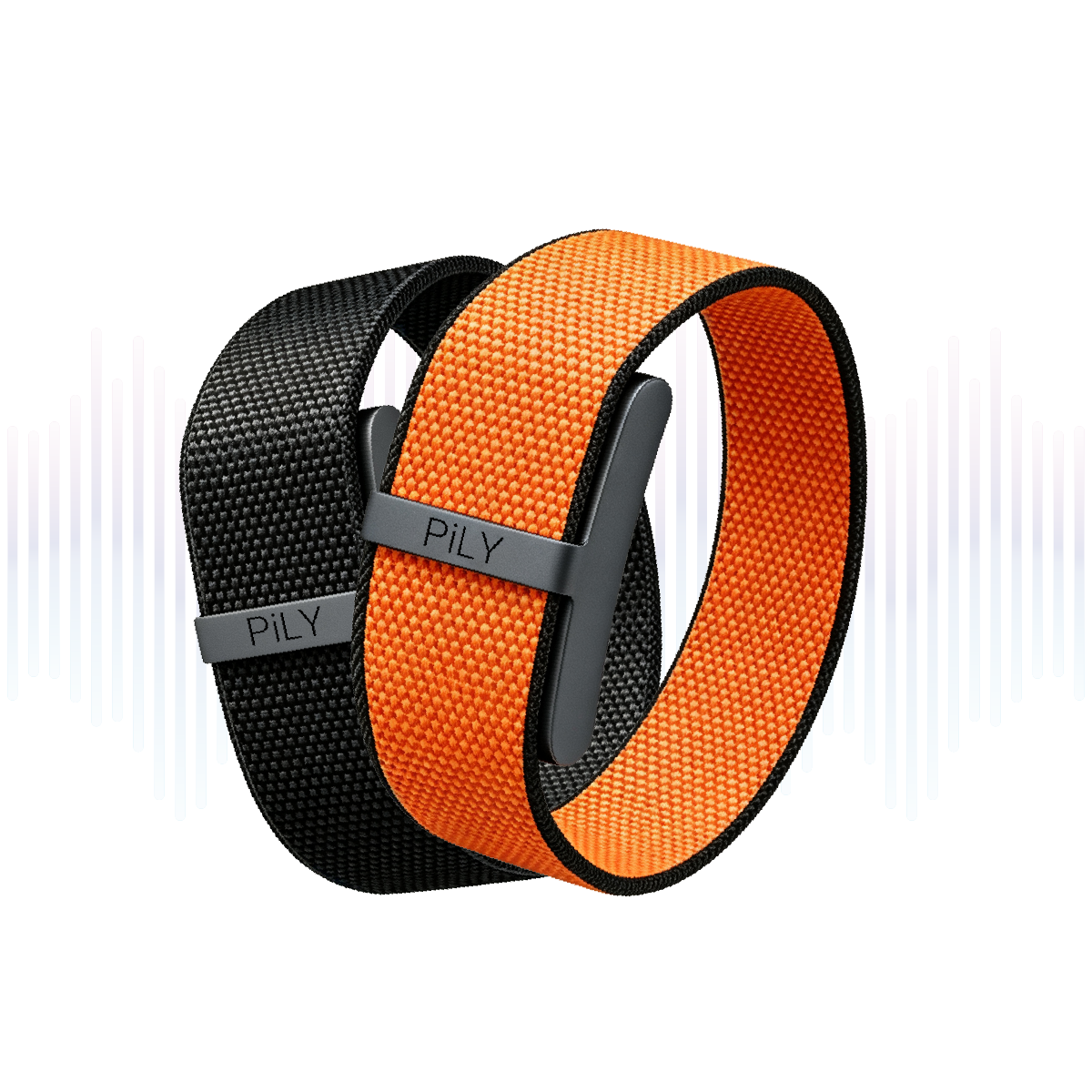
| Campaign price | KS Deal HK$860 (~$110); VIP HK$785 (~$101); six band colors |
| Estimated delivery | March 2027; designed in Hong Kong |
Highlights
The microphone pitch matters most: instead of a close-talking lapel mic, PiLY specifies a 10-meter omnidirectional MEMS array rated for 24-bit/96 kHz WAV with a 123 dB acoustic overload point and 70 dB noise immunity, aimed at conference rooms, lecture halls, and back-row seats where pocket cards usually sound muffled. The software pipeline splits raw audio into verbatim transcripts, meeting summaries, visual mind maps, and exportable to-do lists, with scenario presets for meetings, speeches, and lectures before processing. On the health side, the always-on PPG runs daylong HR/HRV/SpO2/stress tracking and overnight sleep staging, while the 14-day battery targets people who resent daily charging, and the absence of a display removes bedtime blue light entirely. Privacy is a stated pillar: no account required, health metrics stored locally on the device and phone, and only a metadata-free, encrypted audio copy sent for AI analysis before immediate deletion from servers.
Pros
- Wrist form factor removes the pocket-card fumble and keeps recording hands-free.
- 10-meter studio-grade audio spec outperforms typical close-range card recorders.
- 14-day battery and IP67 suit round-the-clock wear, including sleep tracking.
- No subscription, no account, and local-only health storage are strong privacy positions.
- AI notes plus full biometrics in one band, with Apple Health / Strava sync.
Cons
- No screen means no glanceable readout; every metric lives in the phone app.
- AI transcription quality depends on OpenAI processing after export, not on-device inference.
- Continuous recording and sports tracking shorten the advertised 14-day battery.
- Medical-grade accuracy of PPG stress and sleep algorithms remains unverified at this stage.
- March 2027 delivery is a pre-order on a second attempt after the first campaign was canceled in September 2026.
Who It’s For
PiLY suits frequent meeting takers, students in large lectures, journalists and podcasters who want ambient capture, and health-conscious users who want sleep and stress monitoring without another glowing watch. It will disappoint anyone who expects a smartwatch dashboard on the wrist, since PiLY deliberately sacrifices the display for battery life and calm.
Verdict
PiLY merges two crowded categories-AI note-taking and health wearables-on a wrist band with an unusually strong privacy story and a realistic 14-day battery. The trade-offs are the missing display, reliance on cloud AI, and the usual crowdfunding accuracy risk, made slightly more notable by the canceled first campaign. At roughly $101 to $110 VIP pricing, it earns a 7/10 as a focused, privacy-first option for people who record by voice and sleep in the same band. Backers should treat biometric numbers as wellness estimates rather than clinical measurements.