
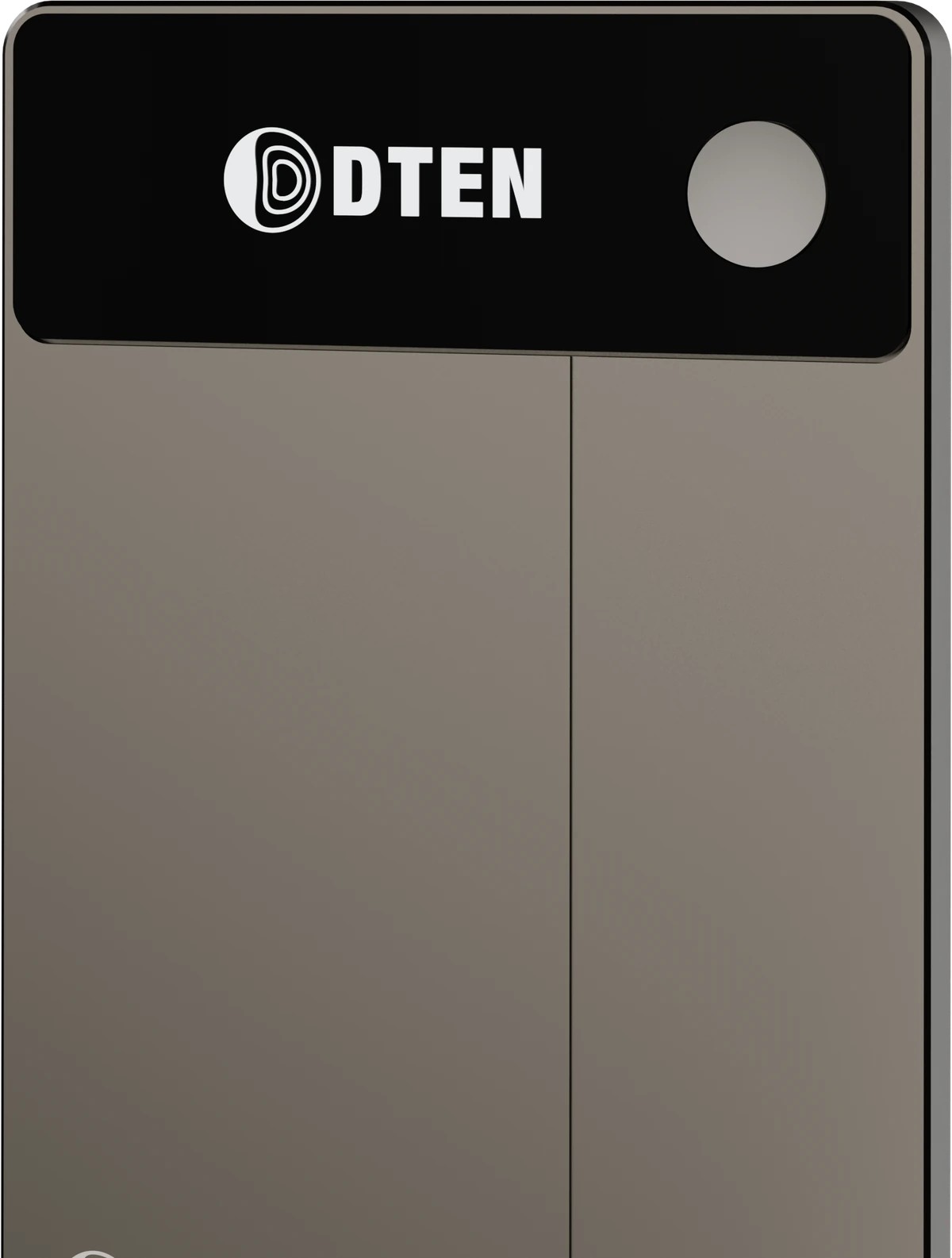
DTEN, the San Jose, California collaboration-hardware maker founded in 2015 and long tied to Zoom Rooms equipment, opened preorders October 21, 2026 for the Action Card, a credit-card-sized capture device introduced with Zoom at Zoomtopia 2026. Priced at $189, it ships November 1, 2026. One press records an in-person conversation with no phone or laptop required; the capture lands directly in Zoom My Notes, where Zoom AI Companion produces summaries, key takeaways, and action items alongside Zoom meeting notes. Every card is provisioned in the DTEN Orbit IT fleet console alongside DTEN meeting and workspace devices. Chip, battery, weight, and microphone count were not disclosed.
Overview and positioning
The Action Card targets a gap hybrid work leaves behind: the commitments made off the meeting link. A decision in a hallway, a client lunch, or a customer call happens outside Zoom, yet until now those conversations sat outside the notes people keep from meetings. DTEN’s answer is a single-purpose card: press once, talk, and the conversation goes into My Notes without opening an app, unlocking a phone, or carrying a laptop. The buyer in mind is an IT team standardizing rooms on DTEN and Zoom, not a solo consumer shopping for a gadget.
Market and industry background
Ambient capture hardware has split into two camps: clip-on wearables that pair with a phone and a generic transcription app, and room appliances that belong to a video platform. Zoom has been pushing My Notes and AI Companion into a unified context layer so online meetings and offline conversations live in one stream, and hardware partners extend that layer away from the screen. DTEN sits on the appliance side of that partnership, which shapes what the Action Card can and cannot do.
How it compares
- Against the PLAUD NotePin, a clip-on wearable that pairs with a phone and a vendor-agnostic companion app: the Action Card needs no phone at capture, but its captures land only in Zoom My Notes rather than a neutral export.
- Against Otter.ai-style phone transcription apps, which run on the device and work across platforms: those require an active phone and app; the Action Card is press-and-go but only pays off inside a Zoom shop.
- Against handheld recorders from Sony or Zoom, which store locally and work platform-neutral: the Action Card discloses no local storage, playback, or file export, so it is not an offline field recorder.
Specifications
- Company: DTEN, founded 2015, headquartered in San Jose / Silicon Valley, California, USA.
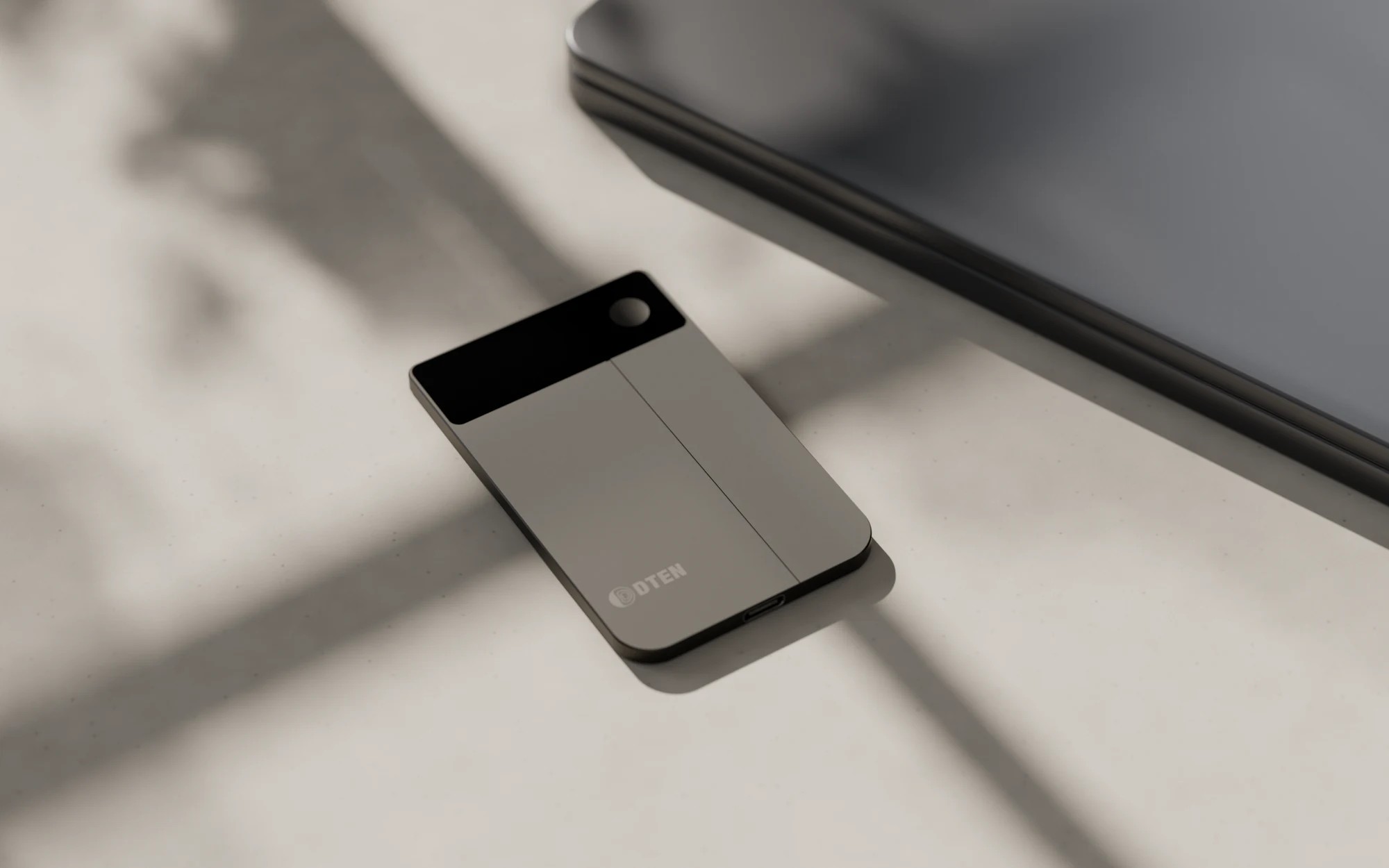
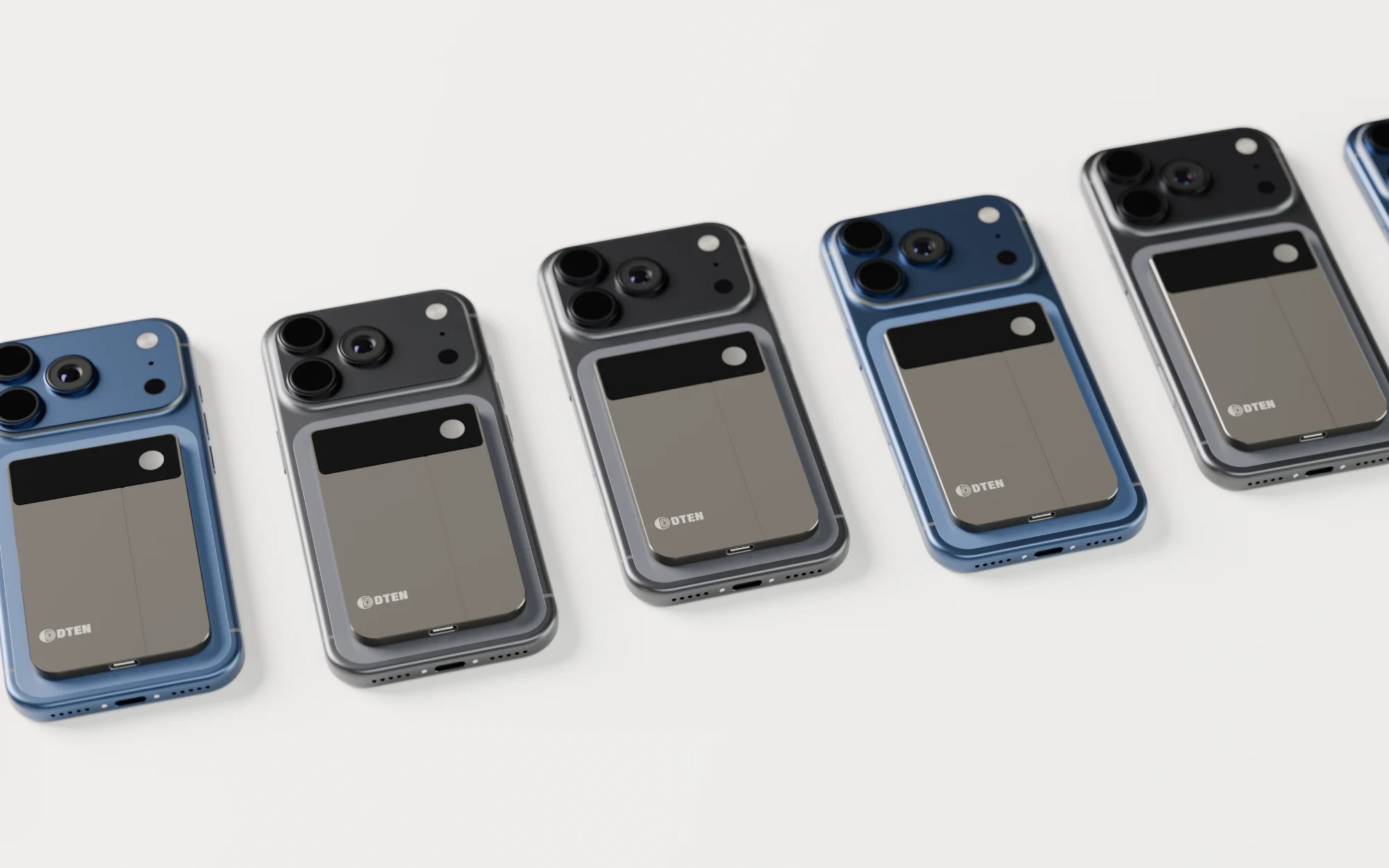
- Form factor: credit-card-sized personal capture card; one-press recording of in-person conversations.
- Companion device: none required at capture; no phone or laptop needed.
- Software route: captures go into Zoom My Notes; Zoom AI Companion produces summaries, key takeaways, and action items alongside Zoom meeting notes.
- Management: provisioned and managed in DTEN Orbit alongside DTEN meeting and workspace devices.
- Price: $189 preorder.
- Availability: preorders opened October 21, 2026; shipping November 1, 2026.
- Not disclosed: chipset, battery capacity, battery life, weight, microphone array, local storage.

Pros
- Zero-app capture: one press starts recording with no phone, laptop, or app setup at the moment of conversation.
- In-person notes join Zoom meeting notes in a single My Notes stream instead of living in a separate app.
- Fleet management in DTEN Orbit lets IT provision, see, and control every card alongside room hardware from one console.
- The nearly decade-long DTEN-Zoom partnership means deep integration rather than a generic transcription bolt-on.
- The card’s single-button workflow is deliberately simpler than phone-based note taking.
Cons and shortcomings
- Deep Zoom lock-in: outside a Zoom-standardized shop the card has little to offer; non-Zoom organizations gain nothing from a capture feeding only My Notes.
- No disclosed battery, chip, weight, microphone count, or storage, even at $189; buyers cannot judge endurance or audio quality before shipping.
- $189 buys a capture-only card: no local playback, editor, or neutral file export is disclosed, so the hardware cannot stand alone.
- IT-managed fleet positioning limits consumer appeal; the Orbit console and room-device bundling read as an enterprise SKU rather than a personal gadget.
- Summary quality depends entirely on Zoom AI Companion; the user cannot choose another model or tune the pipeline.
- Recorded conversations route into Zoom’s cloud, a privacy consideration for sensitive client or HR talks.
Who it is for
The Action Card suits Zoom-first enterprises already running DTEN rooms, where IT can standardize the card in Orbit and fold hallway talk into the same My Notes stream as scheduled meetings. It fits sales teams, account managers, and consultants holding off-screen client conversations. It is a poor match for non-Zoom shops, consumers wanting a standalone recorder, or anyone who owns transcriptions rather than renting them from a platform.

Verdict
The DTEN Action Card solves one specific job well: getting off-screen conversations into Zoom My Notes with one press and no companion device. Its ceiling is set by that same narrow scope: a $189, spec-light card that creates real value only inside a Zoom-standardized, DTEN-managed workplace, and adds little for everyone else.