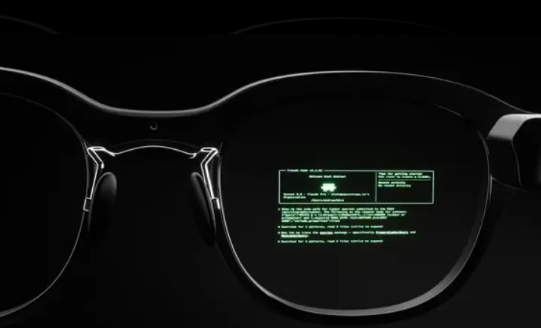
Monako Glass AI Coding Glasses Review

Monako Glass waveguide display Linux interface

On June 3, an obscure Chinese startup named Monako dropped a bombshell: Monako Glass, the world’s first wearable Linux computer in glasses form. Not an AI assistant hanging on your glasses—the glasses themselves are a complete computer. MonoOS system, Lua application layer, Claude Code and OpenAI Codex running locally. Forty-eight grams, $399, $19 reservation.

KANNAN K2 AI Smart Glasses Review: 25.8 Grams of First-Person AI Capture

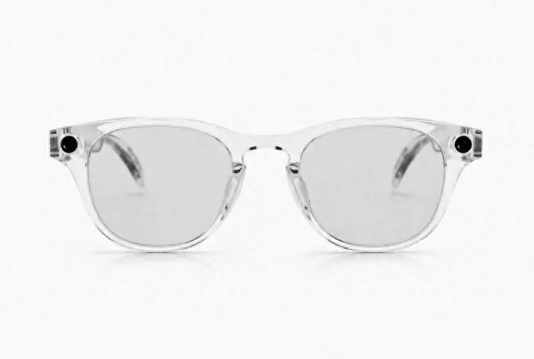
KANNAN K2 transparent frame front view

On June 5, Kannan Tech released the K2 smart glasses in Hangzhou. Twenty-five point eight grams total weight, 7.1mm temple thickness at the thinnest point, European-imported ultra-light nylon material—these three numbers alone tell me this company is not playing with concepts but with materials science. Priced at 2350 yuan, with a 32MP camera, 4K 30FPS recording, EIS plus AI dual stabilization, and Kiro OS built specifically for AI glasses.

RayNeo V3 AI Camera Glasses Review: 200 AI Features Under $150

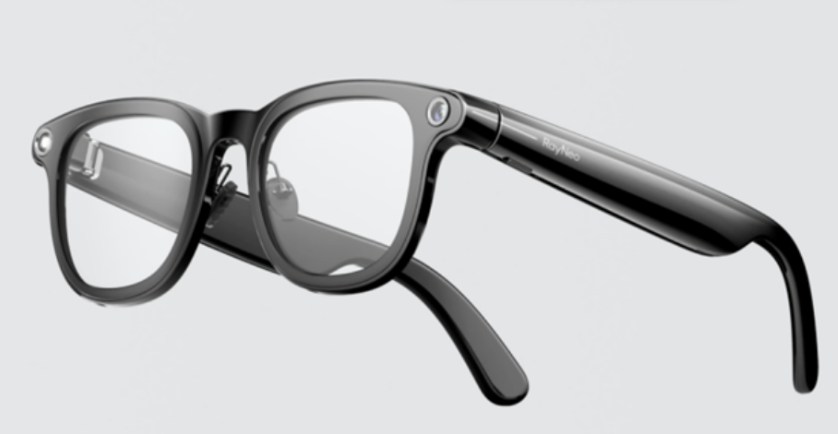
RayNeo V3智能眼镜侧面展示神庙设计

Seeing the number “200 AI features,” my first reaction was: they must be counting every filter separately, right? But after getting hands-on with the RayNeo V3, I discovered it takes a completely different path from the Vidda G11—while Vidda subtracts, RayNeo adds. Launch price 1799 yuan, now dropped to 973 yuan, packing Sony IMX681 and Snapdragon AR1. This configuration would have cost at least 2500 yuan six months ago. The question is: do more features equal better usability? Let’s unbox and test.

Article: Ray-Ban Meta Gen 2 Smart Glasses — In-Depth Review

1. Product Positioning: The Smart Glasses That Finally Went Mainstream Smart glasses are not a new concept. From Google Glass stalling in 2013 to Snap Spectacles fading quickly, the category has long been stuck in the paradox of “impressive on paper, disappointing in practice.” Then came Ray-Ban Meta, and for the first time, the industry … Read more