
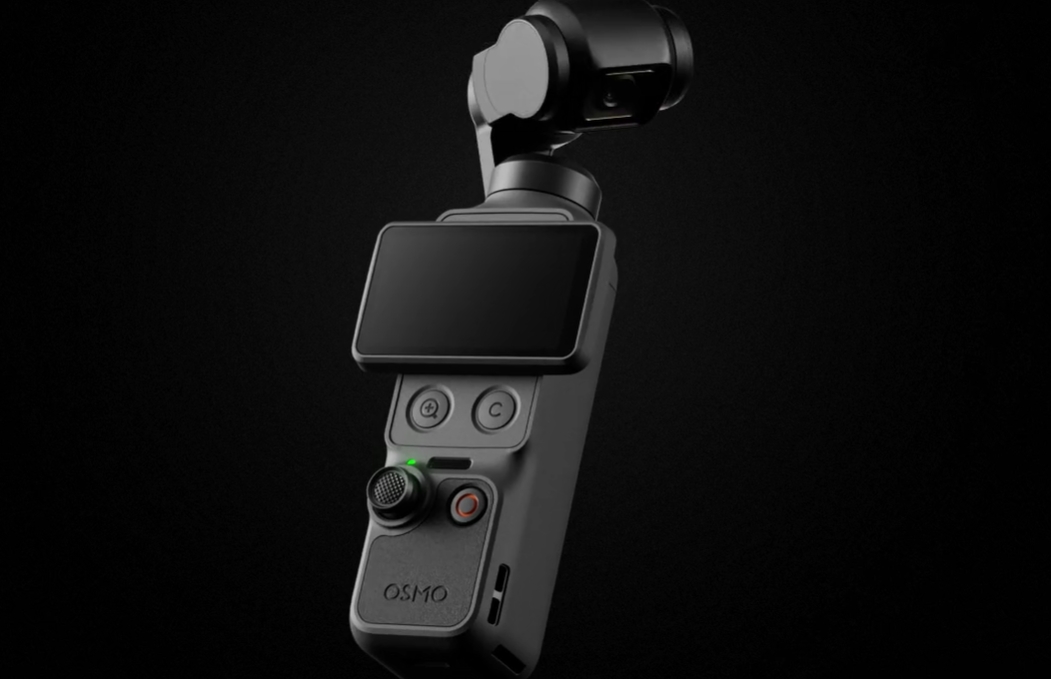
Amid the boom in short-form video creation, AI-powered pocket gimbal cameras have become the go-to gear for vloggers. DJI established the benchmark in this category with its Pocket series, while Insta360 has made a strong entry with the Luna Pro, developed in collaboration with Leica. This article compares three leading models—the DJI Osmo Pocket 3, DJI Osmo Pocket 4 Pro, and Insta360 Luna Pro—across multiple dimensions: design and hardware, image quality, AI capabilities, software ecosystem, and real-world usage. We analyze the positioning of each product to provide practical buying advice.
I. Design and Hardware Experience
DJI Osmo Pocket 3
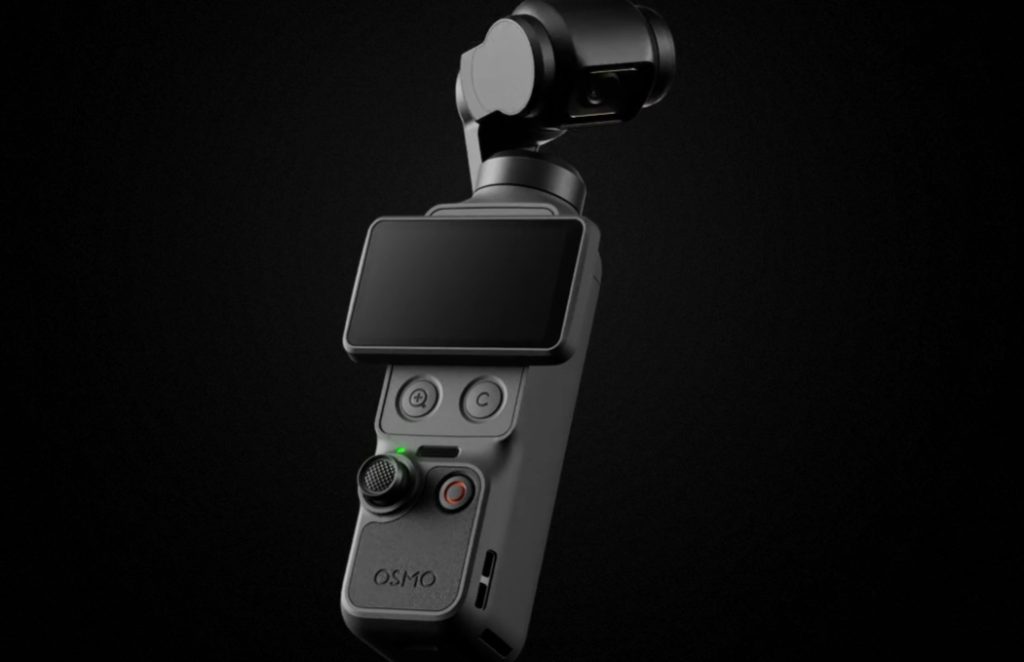
It retains the classic all-in-one body design of the Pocket series; the unit is compact and well-balanced, weighing 179g, making it comfortable to hold for extended periods. The 2-inch screen flips up, facilitating easy framing for selfies. The device features a mature structural design and a comprehensive accessory ecosystem, with a simple, reliable mechanism for stowing and protecting the gimbal. Its downsides include the lack of built-in storage (requiring a separate microSD card) and a non-detachable screen, meaning users must rely on the built-in display for framing during long-distance selfies or low-angle shots.
DJI Osmo Pocket 4 Pro
Building on the Pocket 3, this model upgrades to a dual-camera setup. The body weight has increased slightly to 185g, and the screen size has been bumped up to 2.5 inches. It adds magnetic contact points for direct connection to a dedicated magnetic fill light, making low-light selfies much easier. The standout hardware feature is its 107GB of high-capacity built-in storage, eliminating the need for average users to buy extra memory cards while significantly boosting data transfer speeds. Drawbacks include slight color inaccuracy on the screen, noticeable heat generation during high-load recording, and a tendency for flickering issues under indoor lighting. Insta360 Luna Pro
Weighing just 150g, it is the lightest of the three and the most comfortable to hold. Its key innovation is the detachable magnetic OLED remote screen; the screen can be removed from the body for wireless remote framing and monitoring. This allows subjects to check the composition themselves during selfies, low-angle shots, or when the camera is mounted in a fixed position. The screen module also features a built-in microphone, significantly improving long-range audio pickup. The single-lens body design is streamlined, and the Leica lens module offers a highly recognizable look. Drawback: The accessory ecosystem is still developing, with fewer third-party expansion options compared to DJI.
II. Image Quality and Video Capabilities: Straight-out-of-camera (SOOC) Quality, Color, and Native Vertical Shooting
DJI Osmo Pocket 3
The large 1-inch sensor lays a solid foundation for image quality, delivering realistic and natural colors straight out of the camera—ideal for balanced performance in daily travel and lifestyle vlogging. It supports 4K/120fps slow-motion and D-Log M mode, catering to basic post-production color grading needs. Limitations: No telephoto lens (zoom relies on digital cropping); no native vertical shooting (9:16 video requires post-crop, resulting in resolution loss); beauty features are only available via the app, with no in-camera beauty processing. For average users, the Pocket 3 offers excellent image quality and great value for money.
DJI Osmo Pocket 4 Pro
The dual-camera architecture is the core upgrade, featuring a main camera plus a 3x telephoto secondary camera. It supports 4K/240fps ultra-high-speed slow-motion to capture fast-paced action. The main camera achieves 17 stops of dynamic range and supports D-Log 2, offering top-tier post-production color grading potential for a pocket camera. Built-in film-style filters and multi-level beauty modes enhance the atmosphere of SOOC footage; audio pickup adjusts dynamically based on the zoom level. The telephoto lens is ideal for stage performances and long-distance portrait shots. Drawbacks: The telephoto camera uses the D-Log format, which differs from the main camera’s D-Log 2 color space, requiring manual matching during post-production; flickering may occur under indoor fluorescent lighting. ### Insta360 Luna Pro
Co-engineered with Leica and featuring a 1-inch sensor, it delivers a color profile that is clear and soft. It supports 8K recording and Dolby Vision, offering excellent detail retention in both highlights and shadows. Its key differentiator is native 4K 9:16 vertical video output; creators on platforms like Douyin and Xiaohongshu can export directly in the required aspect ratio without cropping—eliminating the image quality loss associated with secondary cropping—making it an essential feature for dedicated vertical content creators. With a minimum macro focusing distance of 15cm, it outperforms the two DJI models, offering an advantage for close-ups of food and still-life subjects. In i-Log mode, shadow noise is slightly higher compared to D-Log2, requiring noise reduction during post-processing.
III. AI Capability Testing: Tracking, Composition, and Audio
AI capabilities are a core battleground for pocket gimbal cameras, with distinct algorithmic approaches across the three products.
- DJI Osmo Pocket 3: ActiveTrack 6.0
The synergy between the gimbal and AI algorithms is mature, delivering excellent stability when tracking while walking and maintaining a solid lock on the target; it supports tracking for objects, pets, and people. While the algorithm is highly refined, it lacks a “priority face registration” feature, making it prone to tracking the wrong subject in multi-person scenes. Overall, the AI functionality is adequate, though there is significant room for algorithmic iteration compared to newer models. - DJI Osmo Pocket 4 Pro: ActiveTrack 8.0
Supports pre-registration of up to three faces, prioritizing the designated protagonist during filming—a major advantage for multi-person interviews and family shoots. Tracking priority can be switched on the fly during recording, a capability unique to DJI. It maintains stable target tracking even while zooming and offers a full suite of features, including AI-recommended camera movements, gesture control, and in-camera template editing. It utilizes a six-microphone array with zoom-linked audio pickup, ensuring vocal audio adjusts dynamically with the framing (near vs. far). The overall AI algorithm is geared toward professional-grade creation and offers strong resistance to interference. 3. Insta360 Luna Pro: Deep Tracking 5.0 & Dual-Chip On-Device AI
Features on-device processing via dual AI chips and 9-point customizable AI composition, automatically positioning subjects at “golden ratio” points in the frame. Long-pressing the joystick allows for quick recognition and tracking of multiple faces with a simple, intuitive workflow. AI-powered wind noise suppression is a standout feature, effectively minimizing wind noise while preserving vocal clarity in windy outdoor environments. It inherits Insta360’s extensive library of AI auto-editing templates from its 360-degree cameras, offering a wide range of “one-tap” video creation options. Drawbacks: No native live streaming support (cannot stream directly); faces cannot be pre-registered; tracking stability in complex multi-person scenes is slightly inferior to the DJI Pocket 4 Pro.
Hands-on Summary: Little difference between the three when tracking while walking; Pocket 4 Pro excels in complex multi-person scenes; Luna Pro has a clear advantage in audio capture during windy outdoor conditions; Luna Pro offers the highest efficiency for creating vertical short-form videos.
IV. Software Ecosystem, Accessories, and Pain Points
DJI Ecosystem
DJI boasts the strongest ecosystem moat and a comprehensive accessory lineup, including microphones, fill lights, ND filters, extended battery handles, and various mounting brackets. The DJI Mimo App is mature and stable, ensuring uninterrupted background footage export; it natively supports live streaming and offers robust media management and editing templates.
- Pocket 3: High accessory compatibility; a vast array of existing accessories available on the market.
- Pocket 4 Pro: Adds a magnetic accessory interface, though some new accessories must be purchased separately.
Pain Points: The Pocket 4 Pro screen suffers from color cast issues, and indoor flickering requires future OTA optimization.
Insta360 Luna Pro Ecosystem
The Insta360 App offers numerous creative templates, rich special effects, and powerful AI auto-editing capabilities; the detachable screen provides a unique user experience. Drawbacks: The accessory ecosystem is still catching up to DJI; footage export is prone to interruption if the app screen locks; lacks native live streaming functionality, requiring users to use additional adapter equipment for streaming.
V. Purchase Recommendations by Scenario
✅ Casual Vlogging & Travel Documentation (Limited Budget): DJI Osmo Pocket 3
Offers a balanced, stable all-around performance with mature hardware and an abundance of affordable accessories. If you don’t require telephoto capabilities or native vertical shooting, the 2,799 RMB model offers outstanding value and meets the vast majority of daily recording needs.
✅ For content creators, interviews, live streaming, telephoto/slow-motion needs, and professional color grading: DJI Osmo Pocket 4 Pro
Features dual-camera telephoto, 240fps slow-motion, face-priority tracking, large internal storage, and native live streaming capabilities; designed for professional content creators. Ideal for users who frequently shoot on location, conduct live interviews, or require professional-grade color grading.
✅ For short-video creators (Douyin/Xiaohongshu focus), frequent vertical shooting, solo vlogging, and outdoor shoots: Insta360 Luna Pro
Features native 4K vertical shooting, a detachable remote screen, excellent AI wind-noise reduction, and Leica-tuned color science; perfectly tailored for vertical short-video workflows. A top choice for short-video creators who do not require live streaming functionality.
VI. Summary
These three products represent two distinct approaches to domestic AI pocket cameras:
DJI pursues an all-around creative path, leveraging its expertise in gimbal hardware, a mature ecosystem, and professional video capabilities; the Pocket 3 anchors the value-for-money segment, while the Pocket 4 Pro raises the ceiling for professional creation.
Insta360’s Luna Pro adopts a differentiation strategy, addressing specific pain points in vertical short-video creation; features like the detachable screen, Leica tuning, and on-device AI capabilities create a unique value proposition that directly aligns with the actual workflows of short-video creators.
There is no single “perfect” model; the choice depends on your most frequent usage scenarios: prioritize DJI if you value live streaming, telephoto capabilities, or multi-subject shooting; choose the Luna Pro for heavy vertical short-video creation; and opt for the Pocket 3 if you prioritize value and daily recording.
Related reading: Dreame LEAPTIC Cube Review · AI Pocket Camera · DJI Osmo Pocket 4
1 thought on “Comparative Review of AI Pocket Gimbal Cameras”