
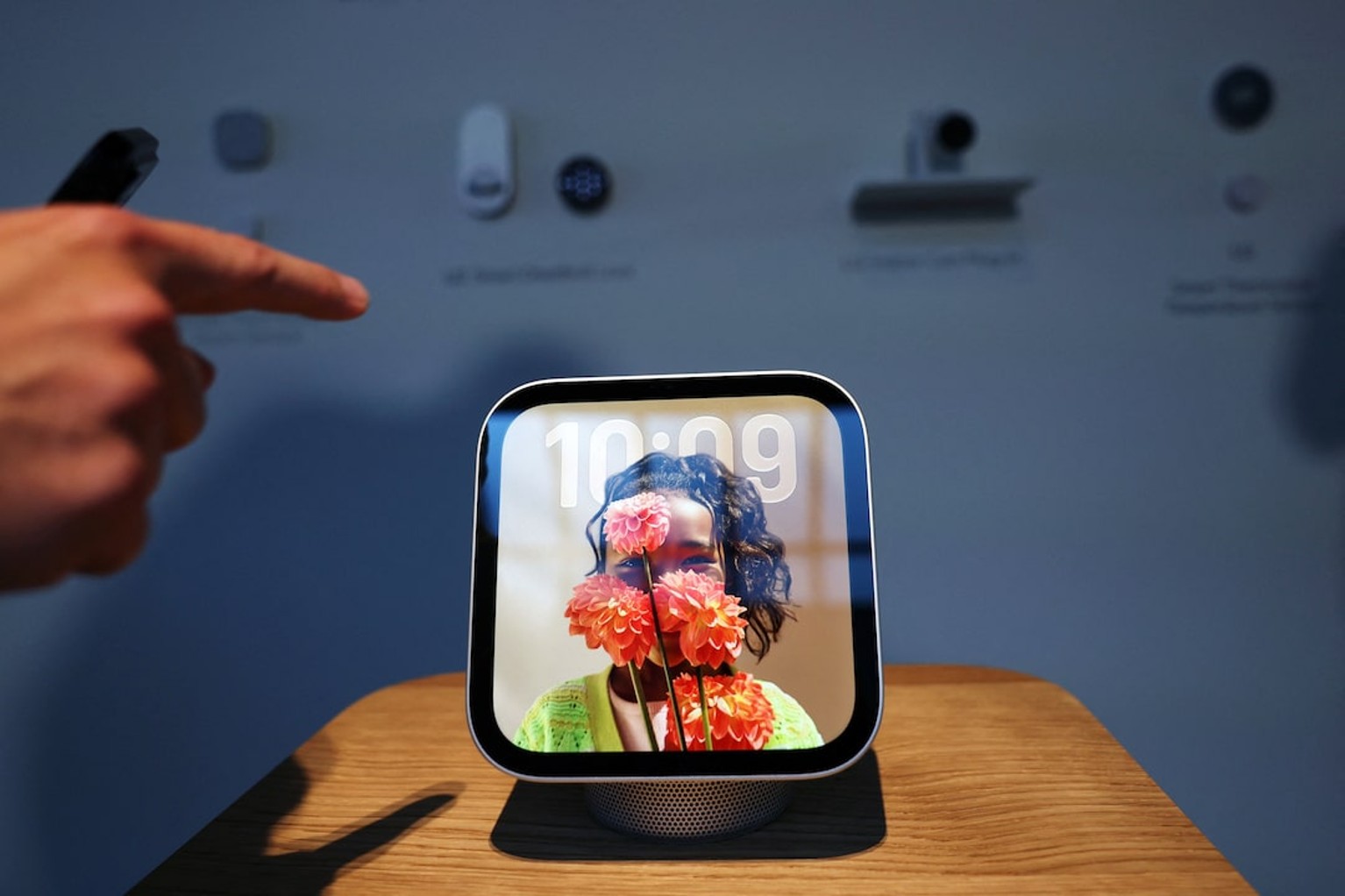
Apple finally did the thing everyone has been asking for since 2018: it made a screen for the home. The Apple HomeView, unveiled October 13, 2026, is a 7-inch Liquid Retina display on a tilt hinge, perched above a speaker base, priced at $299 and available in both tabletop and wall-mounted configurations. It showcases the new Siri AI, recognizes up to six family members by face, and controls HomeKit, Matter, and the new Apple Home Collection accessories built with LG and Schneider Electric. Pre-orders opened October 13; ships November 13.
It is, by any reasonable measure, four years late to a party that Amazon and Google have been hosting since 2014. And it costs twice as much as the competition. Let us dig in.
Market Analysis
The smart display market is not new. Amazon has shipped multiple generations of Echo Show devices in 5-inch, 8-inch, 10-inch, and 15-inch sizes. Google has the Nest Hub line, now in its second generation, and a larger Nest Hub Max. Both companies sell these devices at near-cost margins because they make money on the services and shopping they drive. The category has been stagnant for years: consumers bought a few, realized the voice assistant was underwhelming, and the devices ended up as digital photo frames on kitchen counters.
Apple is entering this market with a characteristic strategy: ignore the mass market, sell a premium product to the installed base of iPhone users, and lock them deeper into the ecosystem. The $299 price point is not competitive with the $149 Echo Show 8 or the $99 Nest Hub. It is competitive with a used iPad on a stand. Apple is betting that design quality, privacy, and the promise of Siri AI will convince existing iPhone households that they need one more Apple device in every room.
The addressable market is real but narrow. The wall-mounted version, which requires Schneider Home mounts starting at $59.95 (USB-C) or $79.95 (AC wired), pushes the real installed cost past $360 before you buy any smart home accessories. The PoE mount, at $129.95, does not arrive until early 2027. This is not a mass-market device by any stretch.
Competitor Analysis
The Amazon Echo Show line is the 800-pound gorilla. The Echo Show 8 costs $149 and offers an 8-inch screen, a physical camera shutter, Zigbee and Thread support, and Alexa. HomeView at $299 with a 7-inch screen is, on paper, the smaller, more expensive product in a category where Amazon has already won on price. Apple’s privacy positioning is a genuine differentiator, but it is not a $150-per-device differentiator for most households.
Google Nest Hub (2nd Gen) costs $99 and includes a sleep-tracking radar sensor and the full Google Assistant, which is still technically superior to Siri on most factual queries. Google’s advantage is that Assistant works across Android phones, which are 70% of the global market. HomeView works only with iPhones. If your household has a mix of Android and Apple devices, HomeView is useless for the Android half. Apple’s “Works with Apple Home” program is new and thin; the launch lineup consists of LG and Schneider accessories that do not ship until December 2026 at the earliest.
Meta Portal is the cautionary tale. Meta shipped a line of wall-mounted, face-tracking smart displays starting in 2018, priced between $199 and $499, and killed the entire product line in 2022 because consumers did not want a camera-equipped screen from Facebook on their wall. HomeView shares the exact same form factor: a screen on a wall, watching you, recognizing you. Apple’s privacy story is genuinely better engineered, but the fundamental product category has already been proven to have weak consumer demand.

Pros and Cons
What works: The hardware design is unmistakably Apple. The aluminum enclosure, the stainless steel tilt hinge, the True Tone display that dims to 0.3 nits for nightstand use, and the adaptive brightness are thoughtful touches. The audio system on the tabletop model will almost certainly sound better than any Echo Show or Nest Hub. The face recognition system, which only surfaces personal content when the enrolled user’s iPhone is present, is a genuine privacy innovation.
What does not: Start with Siri. Siri has been the laughingstock of voice assistants for a decade. Apple promises Siri AI is “profoundly more capable,” but it is shipping in beta (software 27.2). The fine print is alarming: server-side Apple Intelligence features are “subject to daily usage limits,” and “expanded access to such features will be available for a fee in the future.” In other words, the headline feature that justifies the $299 price tag is a beta with usage caps and a planned paywall.
The walled-garden lock-in is aggressive. HomeView requires a compatible iPhone running iOS 27.2 or later. It does not work with Android. Personal context features require an Apple Intelligence-enabled iPhone, meaning an iPhone 15 Pro or later. If you have an older iPhone, you get a dumbed-down product. The Schneider Home mounts are sold separately at $60–$130, pushing the wall-mounted installed cost to $360–$430. The product is also not available in the European Union at launch.
Finally, there is the Meta Portal ghost. Putting a camera-equipped, face-recognizing screen on your wall is a privacy decision that even well-off early adopters will think twice about. The product can detect smoke and CO alarm sounds, which is useful, but that feature alone does not justify $299 plus mount accessories.
Buyer’s Guide / Things to Watch Before You Buy
Do you actually own an iPhone 15 Pro or later? If not, you are buying a significantly degraded product. If your phone is Android, close this page and buy an Echo Show 8. Wait for the Siri AI beta to graduate. Do not pay $299 to be a beta tester on a device you are mounting on your wall; read independent reviews after November 13 shipping.
Calculate the real installed cost. The $299 price tag is just the device. Add the wall mount, an iCloud+ subscription, and at least one Apple Home Collection accessory, and a three-room home deployment will easily exceed $1,000. Check the Matter compatibility of your existing devices before buying. Ask yourself whether you want a camera on your wall. The wall-mounted HomeView has a 12-megapixel camera and face recognition. Wait for independent reviews to report whether the camera can be physically covered and whether face recognition can be disabled before you commit.
Related reading: FSL Xiaoban AI Voice Night Light · Google Home Gemini Preview · DESMAN Q60Ultra AI Smart Lock Review