
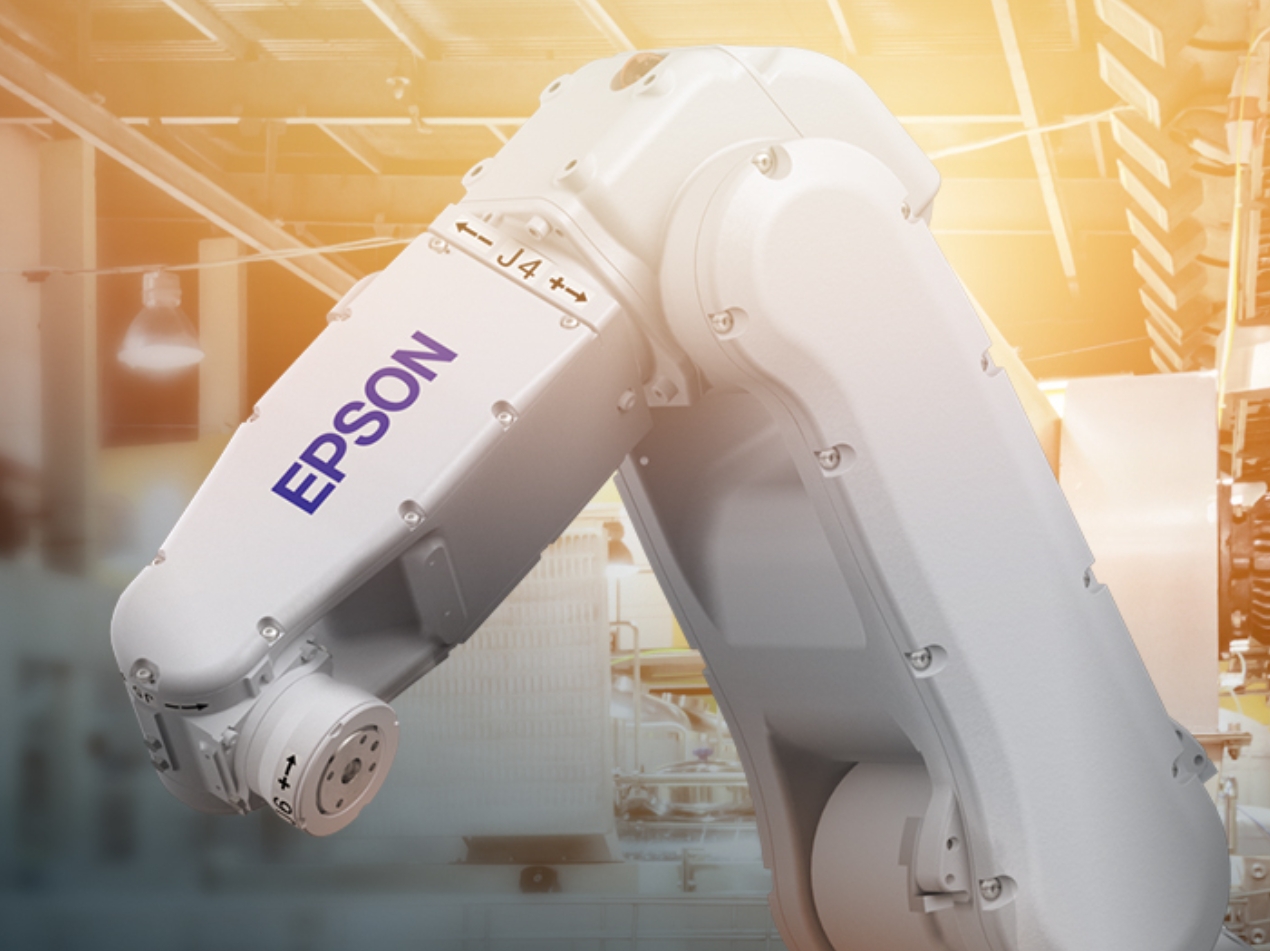
As Epson’s first six-axis collaborative robot to officially enter the market, the AX6—launched in 2026—leverages the company’s four-plus decades of expertise in precision industrial control. Featuring a lightweight carbon-fiber body, compatibility with high cleanliness standards, and low power consumption, it precisely targets high-end niche applications such as precision electronics, biomedicine, and laboratory micro-assembly. Marketed for its “high-precision human-robot collaboration, suitability for confined spaces, clean-room operation, and energy efficiency,” it was initially regarded as a top choice for high-end, precision collaborative tasks.
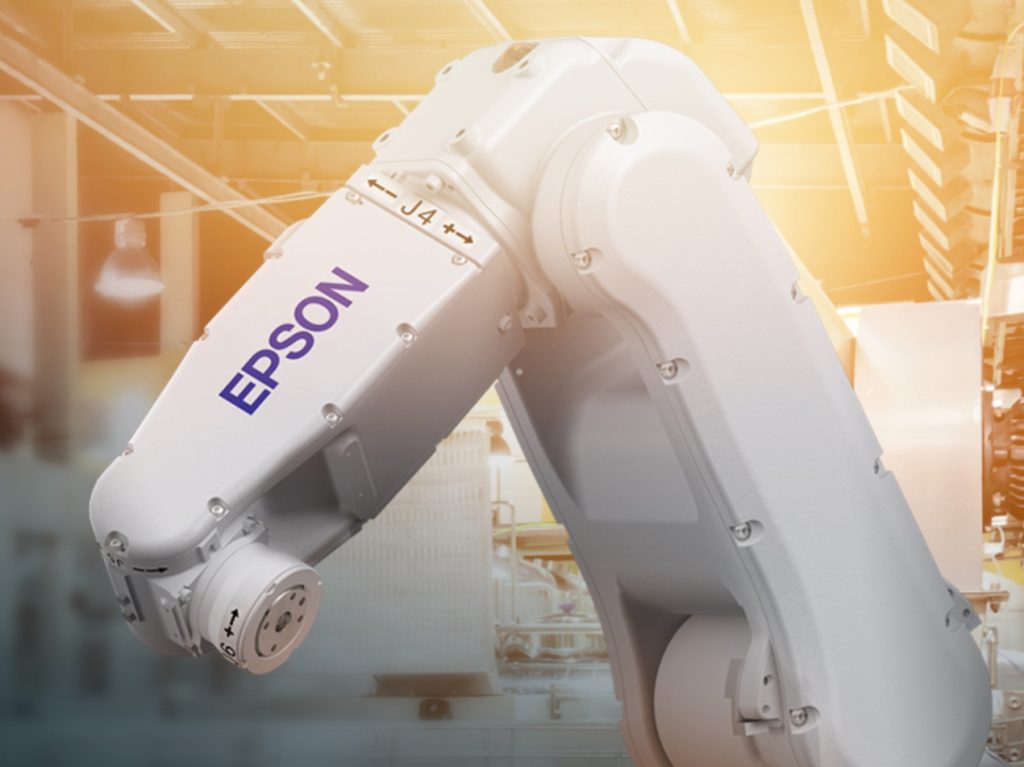
Compared to traditional industrial robotic arms, the AX6 eliminates bulky hardware and complex deployment processes, balancing flexibility with fundamental precision; it holds a distinct advantage in scenarios requiring small-batch production, high precision, and clean-room environments. However, real-world production line testing, project commissioning, and long-term operational validation have revealed structural flaws, including hardware limitations in the joints, conservative payload capacity, restricted expandability, low mass-production efficiency, and an immature ecosystem. While its strengths are concentrated in niche precision applications, its shortcomings fail to meet the vast majority of general industrial mass-production needs, making it far less competitive than mainstream rivals in terms of cost-performance and practical utility. This article provides an objective breakdown of the product’s actual pros and cons, benchmarks it against mainstream collaborative robots, and offers a comprehensive guide to help enterprises avoid pitfalls during procurement and automation upgrades.
I. Core Product Strengths: Specialized Capabilities for Niche Precision Scenarios
To ensure an objective and neutral evaluation, we first outline the core highlights of the Epson AX6—the key competitive advantages that allow it to secure a foothold in the high-end niche market. All these strengths are focused on specialized scenarios requiring high precision, light payloads, and clean-room environments.
- Lightweight yet highly rigid body; optimized for clean-room environments. 1. The AX6 features a carbon fiber construction with a net weight of just 18 kg. Its compact body design eliminates exposed screws and sharp edges, while integrated internal cabling makes cleaning and sterilization effortless. Designed for high-cleanliness environments, it is perfectly suited for demanding settings such as pharmaceutical production, life sciences, precision medical consumables manufacturing, and cleanroom electronics workshops, placing it at the forefront of its class for cleanroom compatibility. Its minimal footprint allows for direct deployment at cramped workstations, making it ideal for desktop-level and compact automation upgrades.
- It offers industry-leading repeatability and exceptional micro-operation performance. Leveraging Epson’s mature servo control and gear reducer assembly technologies, the AX6 delivers repeatability far superior to general-purpose collaborative robots in its price range. It excels in stability and consistency during high-precision, light-load tasks—such as micro-assembly, dispensing, precision inspection, and sorting of tiny components—with virtually no positional deviation, perfectly meeting the core requirements of precision manufacturing.
- It operates with ultra-low power consumption, offering significant energy-saving advantages. Official test data shows that, under identical operating conditions, the AX6 consumes over 40% less energy than traditional industrial robotic arms. This results in lower long-term operating costs, making it ideal for laboratories, cleanrooms, and other environments requiring 24/7 standby or continuous operation, where energy efficiency yields clear long-term benefits.
- Dual programming modes lower the barrier to entry. Equipped with the dedicated AXporter software, the system supports both visual graphical modular programming and advanced Python programming. This allows operators with no prior experience to quickly debug simple programs, while technical staff can develop complex, customized processes; the system thus accommodates various skill levels and ensures an easy learning curve for deployment. It also supports both AC and DC power supplies, allowing for either fixed installation or mounting on mobile AMR (Autonomous Mobile Robot) platforms, ensuring flexible adaptability across diverse application scenarios. II. Core Flaws: Fatal Shortcomings Hindering Mass Production Deployment
The defects of the AX6 are fundamental structural flaws inherent to the initial model; they cannot be remedied through firmware or software updates. These flaws are the primary reasons why the robot is unsuitable for general industrial mass production and offers poor overall cost-performance. Consequently, enterprises that purchase the unit often find themselves in an awkward predicament: while its precision is adequate, it falls short of the requirements for mass production. - Rigid Limit on the Sixth Joint: Restricted Degrees of Freedom
This is the AX6’s most critical hardware flaw—and one frequently overlooked by purchasers. According to Epson’s official specifications, the sixth joint is limited to a multi-turn range of ±50 rotations; it cannot execute rotational movements or continuous flipping operations that exceed this limit. In processes requiring continuous end-effector rotation, reciprocating flips, or multi-turn orientation adjustments—such as continuous screw driving, material flipping and tray placement, or fixture rotation and positioning—the AX6 triggers motion limits and fails to complete the task. Its motion flexibility is far inferior to that of mainstream six-axis collaborative robots without such limits, creating a hard barrier to operational suitability. - Overly Conservative Payload Capacity: Inadequate for General Mass Production
Positioned for light-load precision tasks, the AX6 has a conservative payload rating, making it suitable only for handling micro-components, lightweight jigs, and precision tools. It lacks sufficient payload headroom for processes requiring medium-load capabilities—such as standard workpiece handling, component assembly, and batch material loading/unloading in the electronics industry. Attempting to force the robot to handle such tasks results in issues like vibration, precision drift, and overload alarms. Compared to mainstream competing models offering 5kg or 10kg general-purpose payloads, the AX6 has a very narrow application scope; it is limited to niche precision tasks and cannot meet the demands of high-volume, general-purpose industrial production. - Immature Ecosystem: Scarcity of Accessories and Expansion Options
As Epson’s first collaborative robot, the AX6 lacks a fully developed supporting ecosystem, presenting significant shortcomings for real-world deployment. On one hand, there is a very limited selection of dedicated end-effectors, vision kits, and force sensors; compatibility with generic third-party accessories is poor, making customization and modification difficult and costly. On the other hand, the equipment is compatible only with Epson’s proprietary control system, preventing rapid integration with mainstream third-party industrial control systems, MES platforms, and vision systems; consequently, integrating the unit into a production line is far more challenging than with mature brands like UR, Aubo, or JAKA. For enterprises requiring fully automated, synchronized production lines, the AX6 entails significantly higher integration costs and longer commissioning times. - Low operational efficiency; unsuitable for high-frequency mass production
The AX6 is optimized primarily for precision and stability rather than motion speed or cycle efficiency. In high-frequency, rapid-cycle mass production processes, the unit’s motion speed and cycle times lag noticeably behind competing models in the same class, resulting in longer task completion times. While it performs well in low-volume, low-frequency precision tasks, it falls short in high-volume assembly line scenarios; its output capacity fails to meet line-speed requirements, making it highly cost-ineffective for mass production. - High price premium and opaque maintenance costs
Leveraging Epson’s high-end brand positioning and imported precision manufacturing, the AX6 is priced higher than domestic collaborative robots with similar specifications. As a newly launched model, it has a limited installed base and an immature maintenance ecosystem. Costs for repairing or replacing core components and for periodic calibration are high, and official maintenance pricing lacks transparency, leading to long-term operational costs that far exceed those of mature, mass-produced models. Furthermore, the scarcity of documented failure cases and third-party commissioning resources means that complex issues require reliance on official after-sales support; this results in lengthy maintenance cycles that can disrupt normal production line operations. - Weak interference resistance and poor adaptability to complex operating environments
The AX6 is optimized for clean, temperature-controlled, and stable laboratory environments; its precision and stability degrade slightly in typical industrial workshops characterized by minor vibrations, dust, and temperature fluctuations. Compared to competing models designed specifically for complex industrial conditions, it has lower environmental tolerance, is unsuitable for rugged industrial production environments, and imposes strict requirements on operating conditions. III. Horizontal Comparison with Mainstream Competitors: Strong in Niche Areas, Lagging Significantly in General Applications
We selected mainstream industrial collaborative robot models—the UR5e, Aubo A5, and Jaka C5—for a comprehensive, real-world application comparison against the Epson AX6. This highlights the differences in product positioning and the boundaries of suitability for each model.
Comparison Conclusion: The Epson AX6 is a highly specialized model designed for niche applications; it excels only in scenarios requiring cleanliness, high precision, and light payloads. In 90% of general industrial mass-production scenarios, its shortcomings—such as rigid joint limits, insufficient payload capacity, low efficiency, and an incomplete ecosystem—are severely magnified. Its overall operational capability lags significantly behind mainstream competitors, leaving it with no competitive advantage.
IV. Considerations for Corporate Procurement and Model Selection (Key Pitfalls to Avoid)
- Scenarios Where Selection Is Strongly Discouraged
Do not select this model for processes requiring continuous end-effector rotation or multi-turn flipping (e.g., screw driving, part flipping, or rotary positioning); rigid joint limits will prevent the equipment from being put into production. Procurement is not recommended for high-volume, high-frequency assembly line production, as insufficient cycle efficiency will severely constrain output. Exercise caution regarding full-line projects requiring integration with third-party industrial control, machine vision, or MES systems, as integration complexity and modification costs are extremely high. For standard electronics or hardware processing enterprises with limited budgets seeking cost-effective, general-purpose solutions, it is better to prioritize mature domestic models rather than paying the premium associated with the AX6’s niche positioning. - Scenarios Where Selection Is Suitable and Recommended
This model is suitable only for niche applications such as high-cleanliness cleanrooms, biopharmaceuticals, precision micro-assembly in laboratories, micro-precision inspection, and light-load dispensing. It is an appropriate choice when processes do not require continuous rotation, production frequency is low, and requirements for precision and cleanliness are extremely high—provided the enterprise has a sufficient budget and does not require rapid integration into a general-purpose production line ecosystem. 3. Key Pitfalls to Avoid During Selection and Implementation
First, carefully verify the motion requirements of the process; specifically, ensure there are no operations requiring multi-turn rotation of the sixth axis to avoid equipment incompatibility and subsequent idleness. Second, assess integration costs upfront; the AX6 is incompatible with standard off-the-shelf accessories and systems, so a budget for custom development and commissioning is essential. Third, maintain a realistic view of its precision advantages; its high accuracy is only realized in stable, clean environments, and performance drops significantly in standard workshop conditions. Fourth, be wary of the drawbacks associated with a first-generation model; as Epson’s inaugural collaborative robot, the AX6 lacks iterative refinement, meaning potential software/hardware bugs and compatibility issues may not yet be fully exposed, and its mass-production stability remains unproven. Fifth, clarify maintenance details in advance—specifically costs for calibration, repairs, and spare parts—to avoid excessive hidden expenses later on.
V. Review Summary: A Niche Precision Tool, Not a Choice for General Mass Production
The Epson AX6 collaborative robot has a very clear—yet highly limited—market positioning. It is a specialized device tailored for high-end, precision, clean-room, and niche applications, rather than a general-purpose collaborative robot suitable for the entire industry. While features like a carbon-fiber body, top-tier precision, clean-room design, and low power consumption perfectly meet the needs of specific niche scenarios, limitations such as restricted joint movement, conservative payload capacity, slow cycle times, and an incomplete ecosystem rule out its use in general mass production.
For companies in biopharmaceuticals, precision laboratories, or clean-room micro-assembly, the AX6 is an excellent model that balances user experience, precision, and safety. However, for the vast majority of enterprises engaged in standard automated mass production, this device—with its high premium, numerous limitations, low efficiency, and complex implementation—is a classic example of a niche, specialized product that looks impressive but falls short in practical, general-purpose utility.
If your requirements center on high precision, cleanliness, light payloads, and small-batch production, the AX6 is a worthy investment. Conversely, if you prioritize high efficiency, versatility, low costs, and large-scale mass production, competing products in the same price range—such as those from UR, Aubo, or Jaka—offer far superior value and practicality compared to the Epson AX6.