Industry Analysis: Lightweight Outdoor Assistive Exoskeletons
Lightweight outdoor assistive exoskeletons represent a newly emerging niche within the broader exoskeleton sector.
AI exoskeleton (artificial intelligence exoskeleton) is an intelligent assistive device that integrates artificial intelligence technology and wearable robotic systems. It aims to enhance, assist or restore human motor abilities through the synergy of perception, decision-making and execution.
Lightweight outdoor assistive exoskeletons represent a newly emerging niche within the broader exoskeleton sector.
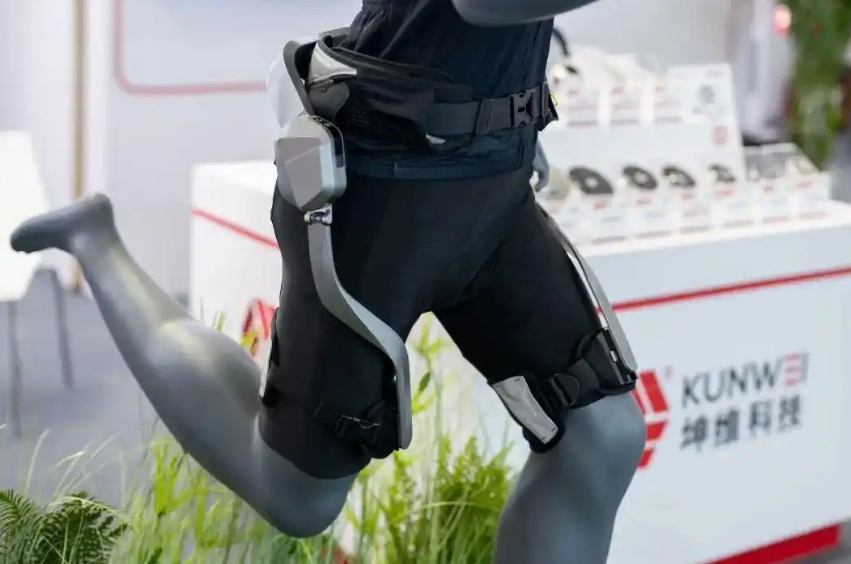
At the 2026 World Robot Conference, Kunwei Technology—a company specializing in six-axis force sensors—unveiled the HiiBex lightweight outdoor assistive exoskeleton.
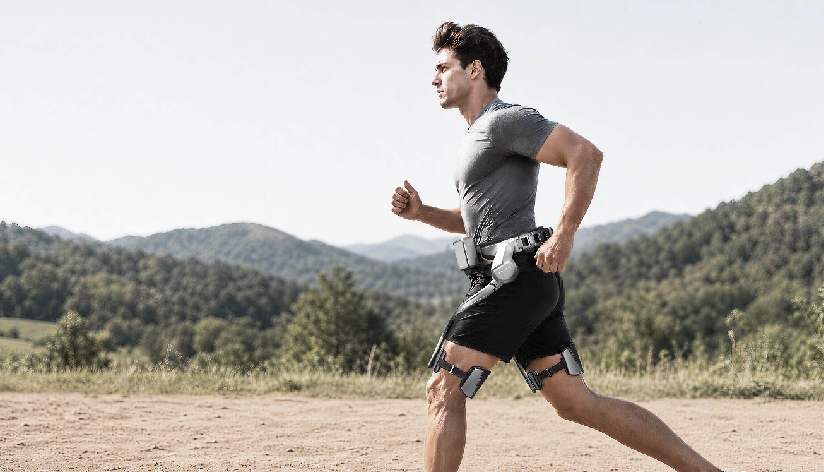
On August 12th, Reudyn, a new wearable robot brand from Leqi Intelligent, officially launched the Hip X26 hip joint AI-assisted exoskeleton, targeting the general public for hiking, long-distance walking, and light exercise, attempting to break down the barriers of exoskeletons as “professional equipment.”
Hangzhou Zhiyuan Research Institute is a second-tier subsidiary of China North Industries Group (NORINCO), one of China’s largest defense contractors. The institute operates state key laboratories focused on military intelligence “root technologies.” Its pivot to consumer exoskeletons represents a classic defense-to-civilian technology transfer.
When exoskeletons are light enough, cheap enough, and smart enough, they may become the “second spring” for elderly people, “physical ability外挂” for outdoor enthusiasts, or even basic equipment on everyone in the future.
But before that, the ultimate opponent the exoskeleton industry faces is not competitor competition, but consumers’ “habit inertia.”
Sumbu launched its S3 series exoskeleton at the AWE exhibition, attempting to rewrite this landscape.