
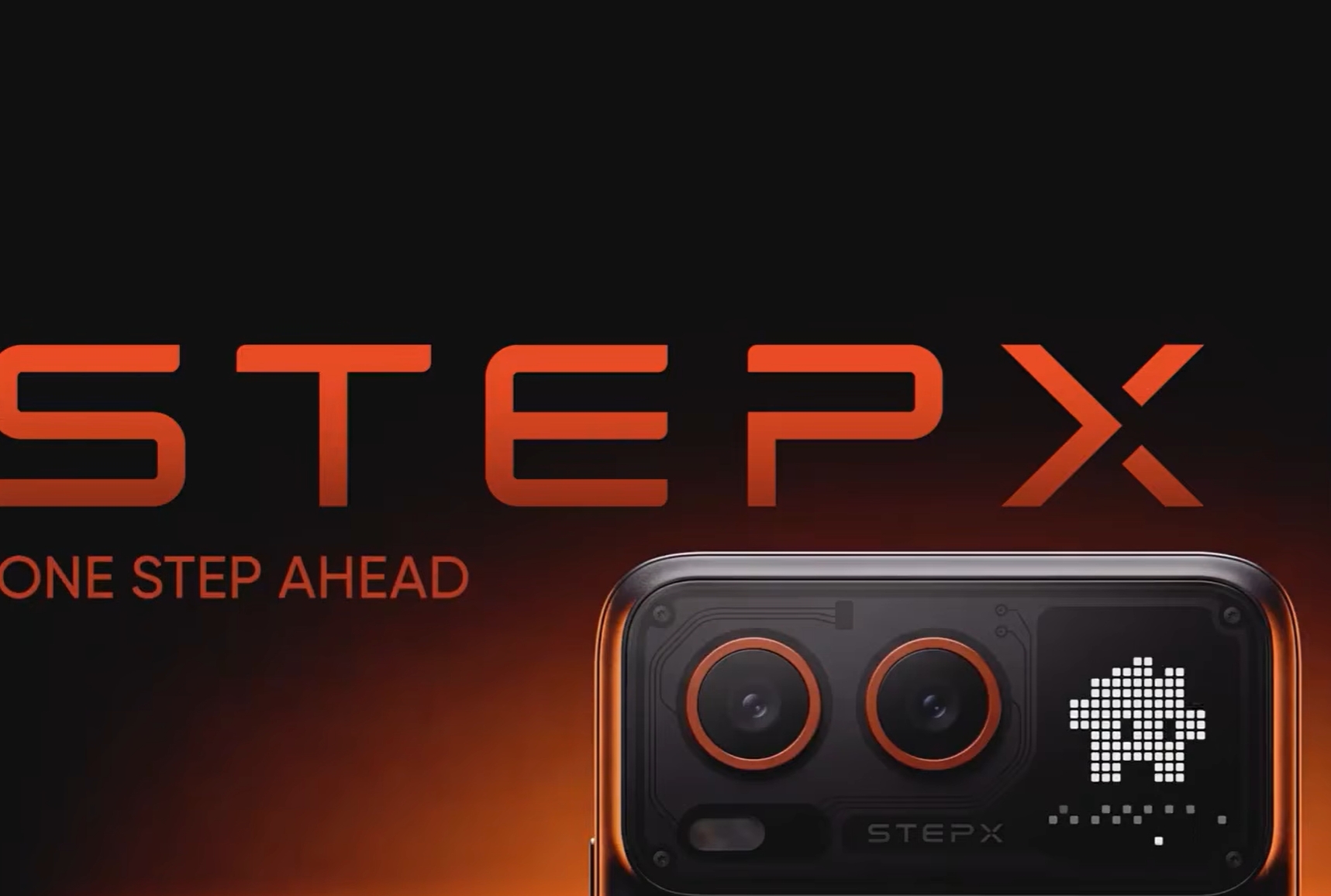
As the first AI smartphone in the industry to officially receive the national standard L3 autonomous intelligence certification, the StepX Neo (from StepX) has been a focal point in the tech world since its launch, thanks to core concepts like “autonomous cross-app AI operations” and “fully offline on-device large model execution.” Unlike traditional smartphones that iterate by stacking hardware specs and optimizing imaging or battery life, this device bets entirely on AI intelligence. It aims to eliminate manual input in favor of round-the-clock, autonomous smart services, leading many to hail it as a “prototype for the next generation of smartphones.”
Stripping away the flashy launch event demos and marketing hype—and following extensive daily testing, real-world scenario validation, and in-depth system usage—we conclude that the StepX Neo is an experimental product with a highly unbalanced profile: it was rushed to market and suffers from immature software-hardware integration. While it boasts top-tier AI agent logic, it completely lacks the comprehensive user experience, hardware quality control, system stability, and after-sales support expected of a flagship phone. For the average consumer, it is by no means a viable daily driver; it is suitable only for a tiny niche of AI enthusiasts looking to try something new. This article objectively breaks down the product’s actual pros and cons, compares it in depth with mainstream competitors, and outlines key pitfalls consumers should avoid when considering a purchase.
I. Objective Pros and Cons: AI Excellence vs. Overall Experience Failure
To ensure an objective and neutral review, we first outline the StepX Neo’s genuine strengths and core weaknesses. The contrast between the two is stark: its advantages are concentrated in AI intelligence, while its shortcomings affect the fundamental user experience across all standard smartphone scenarios.
(A) Core Product Advantages
First, its autonomous AI agent capabilities lead the industry. The StepX Neo is one of the few phones on the market capable of executing truly autonomous, multi-step tasks across different apps. Powered by StepX’s proprietary on-device large model, it can independently perform complex sequences—ranging from information retrieval and content organization to booking lifestyle services and assisting with social or office tasks—without requiring step-by-step user commands. Its intelligent logic far surpasses the simple Q&A-style AI assistants found on traditional phones, a capability that was central to securing its national standard L3 intelligence certification. Secondly, the on-device AI computing capabilities are mature, delivering an excellent offline experience. The device runs a full-fledged on-device large model, allowing the vast majority of AI interactions, content generation, and task processing to be completed locally without relying on the cloud. AI functions remain stable even in areas with weak or no network connectivity, and response latency is extremely low; compared to competing products that rely heavily on the cloud, this device offers clear advantages in the fluidity and independence of AI interactions.
Finally, the system is clean and native, offering decent baseline fluidity. As a system designed with AI intelligence at its core, it comes free of bloatware, intrusive ads, or annoying pop-ups. The system backend is optimized for persistent AI operation, ensuring smooth desktop navigation, app launching, and basic operations without noticeable stutter. The experience is lightweight and uncluttered, lacking the bloated feel often associated with traditional Android devices.
(II) Core Product Drawbacks (Key Review Focus)
First, the hardware is essentially a rebranded OEM product, with quality control and tuning falling far short of flagship standards. As a company focused purely on AI software, StepAI (Jieyue Xingchen) lacks experience in smartphone hardware R&D, manufacturing, or quality control; the StepX Neo is entirely manufactured by Huaqin using a generic industry reference design. The hardware lacks bespoke tuning, resulting in frequent quality issues such as uneven body gaps, loose buttons, and screen tolerance problems. Details like screen color accuracy, haptic feedback, and touch responsiveness feel unrefined, failing to deliver the premium “flagship” quality expected at this price point—it is, in essence, a rebranded generic device.
Second, the fundamental hardware experience is thoroughly mediocre, with imaging, performance, and battery life all failing to impress. To ensure the AI model remains active in the background, performance scheduling is extremely conservative, preventing the mainstream processor from reaching its full potential; large applications and games suffer from frequent throttling and frame drops, along with concentrated heat buildup, resulting in frame rate stability far inferior to mainstream models in the same price range. The imaging system is significantly compromised—lacking custom sensors, professional imaging algorithms, or stabilization optimization—leading to color distortion, narrow dynamic range, and excessive noise in night shots, making it wholly inadequate for everyday photography needs. At the same time, the AI running constantly in the background causes severe battery drain; even with light daily use, the battery depletes rapidly, placing its endurance at the bottom of its price tier.
Third, the AI capabilities are significantly overstated, with a stark disconnect between demonstration effects and real-world performance. The fully automated, cross-app intelligent operations showcased at the launch event are highly limited by specific scenarios, functioning stably only in simple, standardized environments. In complex daily scenarios—or when dealing with new app versions and niche software—performance frequently falters, leading to issues such as page recognition errors, interrupted tasks, repetitive actions, and app freezes or crashes. In most complex office or lifestyle scenarios, the AI’s autonomous operations fail to save time; instead, they require users to manually correct errors and finalize tasks, thereby increasing the operational burden. The so-called “L3-level autonomous intelligence” is essentially a laboratory standard with very low practical utility for consumers.
In contrast, vivo’s X-series AI models focus on AI-enhanced imaging, office productivity, and intelligent scene optimization. Their AI features align with genuine user needs, adapting seamlessly to the vast majority of daily, creative, and professional scenarios without reliability issues. Furthermore, the device boasts top-tier build quality, industry-leading imaging tuning, balanced performance management, and a stable experience regarding battery life and fast charging—making it a quintessential, well-rounded “all-rounder.” Conversely, the StepX Neo sacrifices fundamental user experiences for the sake of an AI gimmick; its imaging, build quality, and battery life are all subpar, and its AI features are flashy yet impractical, rendering it completely incapable of competing on equal footing.
When compared to the Honor Magic series, Honor’s approach to intelligence emphasizes context awareness, smart interaction, and privacy protection. Its system fluidity and long-term stability have been market-proven, catering to diverse needs across business, daily life, and entertainment. Honor offers reliable quality control, convenient after-sales service, and a guarantee of long-term system updates. As a first-generation experimental model, the StepX Neo not only struggles with the practical implementation of its AI features but also lags significantly behind mature competitors in terms of system stability, hardware durability, and long-term resale value; its singular conceptual advantage cannot compensate for the vast gap in overall user experience. Overall, the core logic behind AI phones from mainstream brands is “mature flagship hardware + practical AI integration,” offering a balanced, stable, and worry-free user experience. In contrast, the product logic of the StepX Neo is “experimental hardware + gimmicky AI concepts”; it sacrifices overall user experience for the sake of a single AI advantage—a classic example of a product with severe imbalances and misplaced priorities.
III. Consumer Buying Guide: Avoiding Pitfalls and Identifying the Target Audience
- Who Should Definitely Not Buy It
First, those looking for a daily driver should strictly avoid it. Whether they are office workers, students, or business professionals, these users have essential needs regarding stability, battery life, camera performance, and after-sales support. The StepX Neo suffers from inconsistent quality control, a flawed basic user experience, and a lack of reliable after-sales service, making it completely unsuitable as a primary phone. Second, photography enthusiasts, short-video creators, and hardcore gamers should steer clear; the device has bottom-tier camera quality, conservative performance tuning, and severe overheating issues during gaming, failing to meet entertainment and creative needs. Finally, users seeking long-term reliability, system stability, and good resale value should think twice; as a first-generation model, it faces a high risk of discontinued support, is plagued by bugs, and depreciates rapidly, offering little long-term value. - The Niche Audience It Suits
The only suitable audience for this product consists of AI tech enthusiasts, professionals working with large models, and developers interested in autonomous agents. These users possess professional knowledge and the technical aptitude to tinker with the device; they can tolerate system bugs, quality control flaws, and after-sales hassles. Their goal is simply to experience cutting-edge on-device AI and test autonomous agent functions. By using it as a secondary test device rather than a daily driver, they can overlook the product’s fundamental shortcomings. - Key Details to Avoid Pitfalls
First, look past marketing gimmicks and maintain a realistic understanding of “L3-level AI capabilities.” The national standard for L3 autonomous intelligence is a benchmark for laboratory testing, not for real-world consumer applications; it is highly prone to failure in daily use, so do not pay a premium for flashy concepts. Second, recognize the device for what it is: a rebadged product. It lacks in-house hardware R&D and a mature quality control system, relying instead on generic industry designs and contract manufacturing. Consequently, its hardware quality falls far short of mainstream flagships in the same price range. Third, purchasing the high-priced launch edition is not recommended; first-generation experimental products often suffer from poor optimization and numerous issues. They are bound to depreciate quickly, offering very poor resale value. Fourth, be prepared for shortcomings in after-sales support—anticipate the need to mail the device in for repairs, face long wait times, and incur high repair costs; the “cost of error” in daily use is extremely high. Fifth, rationally distinguish between trying out a novelty and practical utility; this device is suitable only for experiencing AI features and is absolutely unfit for high-frequency daily use—do not buy it as your primary phone.
IV. Summary: A perfect score for future concepts, but a failing grade for current practicality
The StepX Neo clearly exposes the fundamental pitfalls of a software-focused AI company venturing into hardware: while it boasts visionary AI algorithms and cutting-edge agent logic, it completely fails to grasp the realities of bringing consumer hardware to market. It pours all its resources into marketing AI concepts while neglecting the core requirements of a mobile phone—stability, balance, and a hassle-free experience for communication, entertainment, and work.
Undeniably, its ability to operate autonomously across apps represents the future of AI smartphones and demonstrates industry foresight; however, from a consumer’s practical standpoint, it is an experimental product with a flawed user experience, glaring weaknesses, and terrible value for money. It lacks the premium feel of a flagship, the stability of a daily driver, and the ecosystem reliability of a mature product; it offers nothing but AI hype, lacking any real substance for practical use.
For 99% of average consumers, mainstream AI flagship phones in the same price range vastly outperform the StepX Neo in terms of overall experience, stability, after-sales support, and practicality. This phone is suited only for a handful of enthusiasts looking to try something new; it is absolutely not for the general public’s daily use—a classic example of a “novelty trap” product that looks advanced but proves useless in practice.