
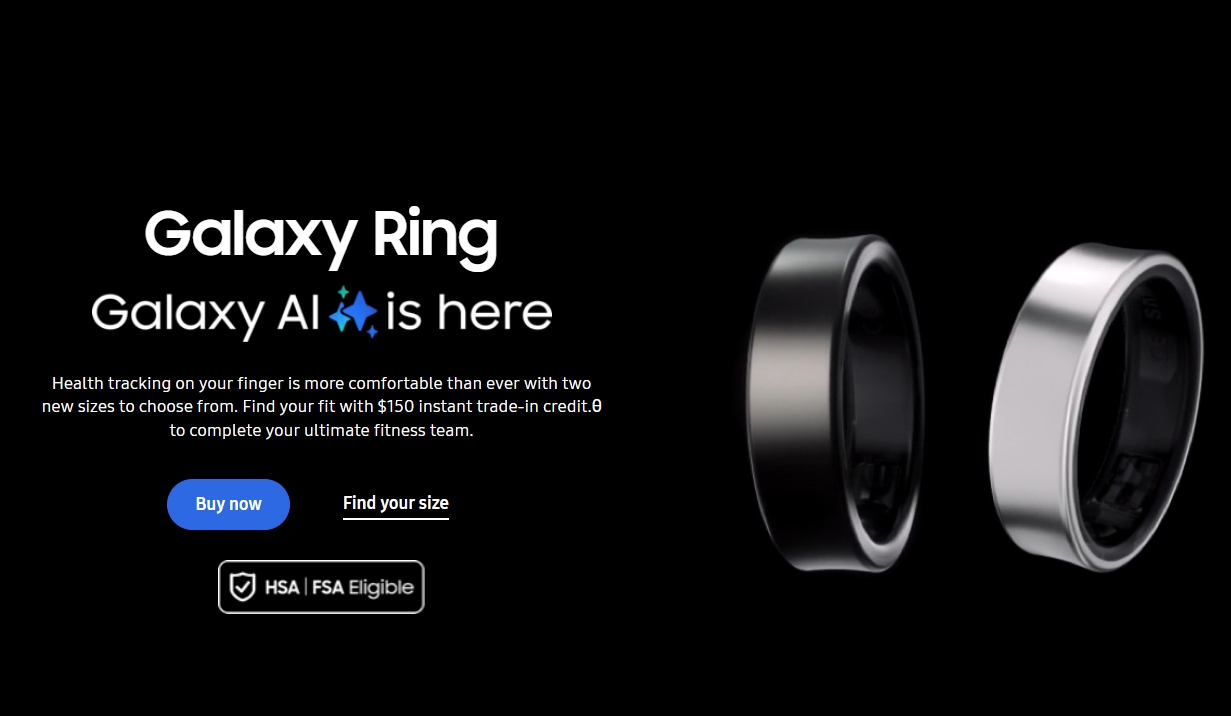
As the wearable tech sector shifts from smartwatches to lightweight devices, Samsung has entered the smart ring market with the Galaxy Ring, touting a minimalist design, an unobtrusive fit, and 24/7 health monitoring. With its titanium body, ultra-light and slim profile, and the backing of the Samsung ecosystem, this smart ring—priced at 2,999 RMB—initially captured the attention of high-end wearable enthusiasts.
However, extensive real-world testing, usage across various scenarios, and direct comparisons with competitors reveal that the Galaxy Ring’s flaws far outweigh its strengths. It feels more like an unfinished first-generation product designed to test the waters; it suffers from core issues such as limited functionality, inaccurate data, exaggerated battery life claims, and poor value for money, making it a poor choice for the average consumer to buy without careful consideration. This article objectively breaks down the product’s pros and cons, compares it with mainstream rivals, and offers detailed advice on what to watch out for before purchasing.
I. Overview of Core Pros and Cons (Based on Real-World Testing)
(A) Key Strengths
- Ultra-lightweight and unobtrusive; suitable for 24/7 wear
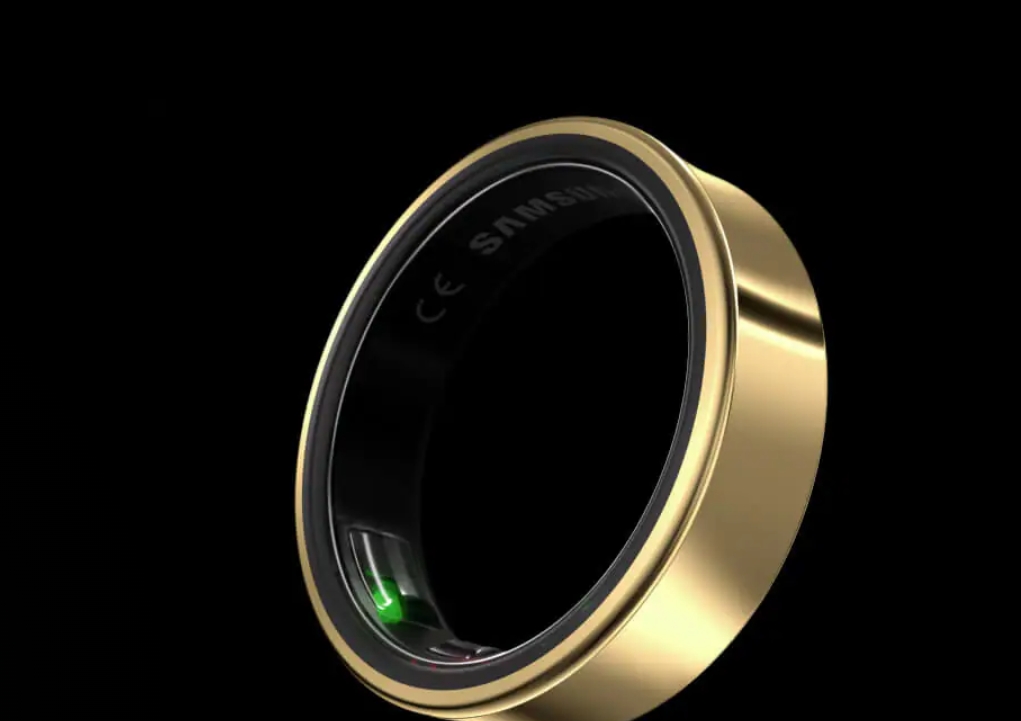
Weighing just 2.3–3 grams and crafted from medical-grade titanium, the Galaxy Ring is slim, skin-friendly, and imposes no physical burden—unlike smartwatches. It can be worn continuously during work, exercise, sleep, and showering with virtually no sensation of a foreign object, making it one of Samsung’s most comfortable wearable devices. It effectively solves the pain points associated with smartwatches, such as bulkiness, wrist discomfort during sleep, and the risk of bumps or scratches during exercise. - Rugged durability with top-tier water and dust resistance
The device features an IP68 rating for dust and water resistance, meaning there is no need to remove it for handwashing, rain, swimming, or showering. Its scratch- and wear-resistant titanium body stays pristine, requiring minimal maintenance while balancing the aesthetics of jewelry with the utility of a wearable device. Additionally, its minimalist ring design complements various styles, serving as a fashionable accessory. 3. Light integration within the Samsung ecosystem, tailored for flagship users
For Samsung Galaxy smartphone users, the device supports basic integration features such as double-tap gestures for photography, ecosystem data synchronization, and cloud archiving of health data. It seamlessly connects to the Samsung Health ecosystem to continuously record sleep, heart rate, and activity data, offering genuine value to users deeply invested in the Samsung product family.
(II) Fatal Flaws: A Cluster of Core Product Deficiencies
- Severely limited functionality; no active interaction capabilities
This is the Galaxy Ring’s most critical flaw. The product lacks a screen, a motor, and a speaker, offering absolutely no support for active interaction. Unlike smartwatches or some competing smart rings, it cannot display the time, receive message notifications or incoming call alerts, set alarms, or provide sedentary reminders; it lacks even basic vibration feedback. Essentially, it functions merely as a “biometric data receiver”—passively collecting data without providing real-time alerts or interactive services—which significantly diminishes its “smart” capabilities. - Inaccurate health monitoring data; serious lack of professional-grade reliability
Real-world testing revealed significant discrepancies in core health data, with blood oxygen readings being particularly erratic. During overnight sleep monitoring, the Galaxy Ring repeatedly recorded extremely low blood oxygen levels of 73%–74%—far below the normal human range—whereas wearable devices from Huawei and Xiaomi, as well as professional monitoring equipment, consistently showed levels above 90% in the same scenarios. This severe data inaccuracy renders the readings useless for reference and risks causing unnecessary health anxiety for users. Furthermore, the accuracy of sleep stage classification and heart rate fluctuation monitoring is insufficient to meet the needs of in-depth health management. - Grossly overstated battery life; clear discrimination based on size
The Galaxy Ring’s battery capacity ranges from only 18 mAh to 23.5 mAh, strictly determined by ring size; larger sizes (sizes 12/13) have the highest capacity, while smaller sizes see a significant reduction. Although the official claim promises up to seven days of battery life, actual testing with 24-hour continuous wear showed that the largest size lasted only about five days, while smaller sizes dropped to just three or four days—falling far short of official claims. Battery life shrinks further with frequent use of sleep and exercise monitoring features, necessitating frequent recharging. 4. Limitations in wearing experience and poor situational adaptability
Although the device feels weightless, its width and thickness far exceed those of ordinary decorative rings. It causes noticeable pressure when gripping objects, holding a steering wheel, or lifting heavy items in daily life, and the experience is particularly poor when worn on the right hand. In hot summer weather, the ring traps sweat against the finger, leading to discomfort from heat and moisture during prolonged wear; it fails to provide a comfortable experience across all usage scenarios. - Exorbitant repair costs; essentially a disposable product
As an integrated, precision wearable device, the Galaxy Ring offers no scope for disassembly or repair. Issues such as battery degradation, sensor failure, or internal water damage cannot be fixed individually, necessitating a complete device replacement. The overall lifespan is limited, and long-term ownership costs are extremely high. - Closed ecosystem; experience severely compromised for non-Samsung users
Core connectivity features and detailed data analysis are exclusive to Samsung phones. Non-Samsung users are limited to basic functions like heart rate, step counting, and sleep tracking; most signature features are unavailable, drastically reducing the device’s utility.
II. Comparative analysis with competitors: No advantage in price or category
Current mainstream smart rings compete primarily on value for money, comprehensive functionality, and monitoring accuracy. Compared to the Galaxy Ring, competing products offer overwhelming advantages across the board, making the 2,999 RMB price tag seem absurd.
- Comparison with Huawei smart rings/Huawei Watch series
At the same price point, one can purchase a mid-range Huawei smartwatch featuring a display, push notifications, standalone interaction, Bluetooth calling, and over a hundred sports modes. Their health monitoring accuracy is medically certified, offering far greater data reliability than the Galaxy Ring. Even when compared directly to Huawei’s smart ring, the Huawei product offers more precise data and comprehensive features, supports both Android and dual-system environments without ecosystem barriers, and costs only about half as much. Aside from its lightweight design, the Galaxy Ring offers no core advantages. - Comparison with Oura Ring and Amazfit smart rings
The Oura Ring, which focuses on professional health monitoring, boasts more mature data algorithms and superior accuracy for sleep, blood oxygen, and stress tracking, with a battery life exceeding seven days—outclassing Samsung in professionalism. Meanwhile, domestic smart rings like those from Amazfit are available for under 1,000 RMB; they support basic notifications and a wider range of sports modes, offering exceptional value for money. In contrast, the Galaxy Ring costs twice as much yet suffers from inaccurate data, limited functionality, and poor battery life; its overall value proposition fails to justify the price tag. - Comparison with Samsung’s own smartwatches
The price of Samsung’s Watch series (on the secondary market or during promotions) is comparable to that of the Galaxy Ring. However, the watches offer full smart interactivity, standalone apps, calling capabilities, mobile payments, and watch face displays—features that far surpass the utility of the Galaxy Ring, which is limited to basic data collection. For Samsung users, choosing the Galaxy Ring means prioritizing form over function; you sacrifice all smart features merely to gain a lightweight wearing experience.
III. Consumer Buying Guide: Three types of people who should definitely avoid it
Considering the product’s shortcomings and the advantages of competing products, consumers should look past marketing gimmicks and pay close attention to the following points:
- Non-Samsung phone users: Skip it entirely
The Galaxy Ring operates within a closed ecosystem; non-Samsung users cannot access its full functionality. Key integration features and detailed data analysis are stripped away, leaving only basic step counting and heart rate tracking—capabilities easily matched by budget wearables costing a fraction of the price. - Users seeking practicality and smart features: Think twice
If you need a device that supports basic functions like message notifications, time display, alarms, automatic workout recognition, or interactive feedback, the Galaxy Ring falls short. It lacks smart interaction capabilities and serves merely as a passive data logger; its utility is far inferior to that of budget smart bands or mid-range smartwatches. - Users prioritizing health data accuracy: Do not buy
For users with sleep disorders or a need to monitor cardiovascular and respiratory health, the Galaxy Ring’s inaccurate blood oxygen and sleep data offer no real value. They may even mislead health assessments or cause unnecessary anxiety, making the device unsuitable for health management. - Budget-conscious users seeking value for money: Definitely avoid
At a price point of 2,999 RMB, it offers no competitive advantage over smart rings or mid-range smartwatches in the 1,000 RMB range. With limited functionality, overstated battery life, and high repair costs, it offers poor long-term value—a classic case of a high price tag for a “half-baked” product experience. - Size selection must be precise; prioritize larger sizes
Battery life is closely tied to size; smaller sizes suffer from significantly reduced battery performance and can feel cramped or cause sweating during wear. Before purchasing, be sure to accurately measure your finger size; prioritize larger sizes (such as 12 or 13) to balance battery life with wearing comfort. It is also advisable to wear the ring on the middle or index finger to avoid the pressure caused by gripping objects tightly with the right hand. - Look past the “fashion accessory” appeal and view the product rationally
While the titanium body offers a premium feel, the ring is significantly thicker and wider than standard jewelry rings; it is quite noticeable during daily wear and offers limited decorative value. Do not buy it blindly based on looks alone, as the price premium for its aesthetics far outweighs its practical utility.
IV. Final Verdict: Not recommended for the average consumer
The core highlights of the Samsung Galaxy Ring are limited to its ultra-lightweight design and durable build quality—features that fail to justify its high price tag of 2,999 RMB. Overall, the device suffers from five major flaws: incomplete functionality, inaccurate data, overstated battery life, a closed ecosystem, and extremely poor value for money. These are structural issues that cannot be resolved through future OTA updates.
It is best viewed as a first-generation experimental product with which Samsung is testing the smart ring market. It appeals primarily to a niche group of tech enthusiasts who prioritize an imperceptible wearing experience, require only basic data tracking, and are already deeply invested in the Samsung ecosystem. For 99% of average consumers—whether seeking practicality, professional-grade health monitoring, or good value—the Galaxy Ring is not the best choice; a smartwatch or a specialized health ring purchased for the same budget would offer a vastly superior experience across the board.