
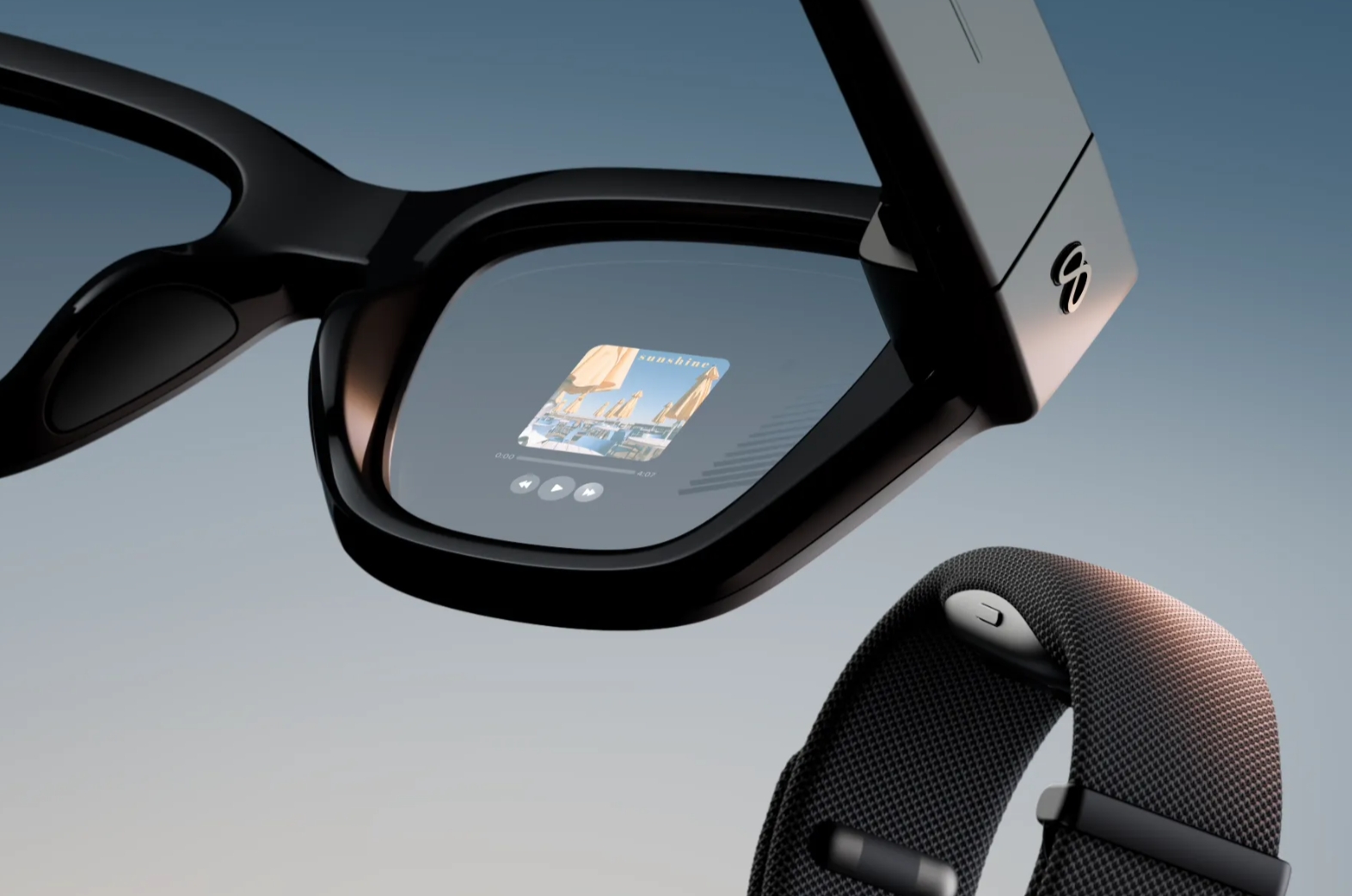
As the first AI smart glasses from the Meta x Ray-Ban collaboration to feature an HD optical waveguide display, the new Ray-Ban Display has garnered significant attention since its launch. Breaking the limitations of its screenless predecessor, it incorporates a private LCoS optical waveguide color display, a dedicated EMG wristband controller, first-person perspective (POV) recording, real-time AI translation, and smart assistant capabilities. While retaining Ray-Ban’s classic frame design—emphasizing “everyday wearability, unobtrusive smart tech, and seamless interaction”—it is hailed as the closest thing to a consumer-ready, mass-produced AI smart glass.
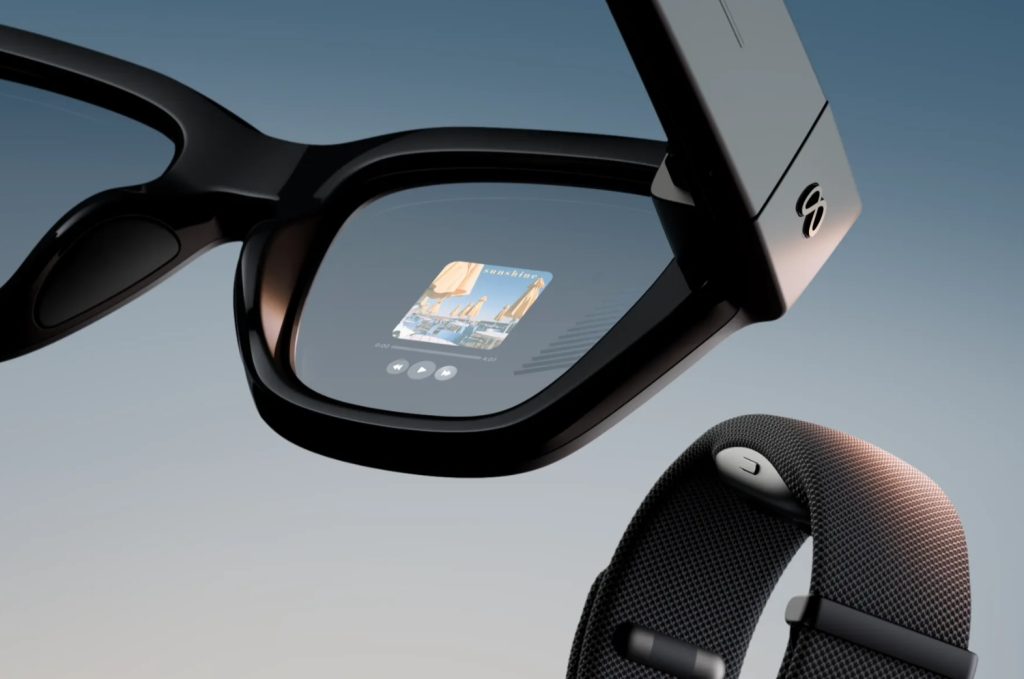
Bolstered by strong brand appeal, a polished aesthetic, and a visual display, the product has attracted a large following among trendsetters and tech enthusiasts. However, after extensive daily use, comprehensive feature testing, and real-world scenario validation, the conclusion is clear: the Meta Ray-Ban Display is a classic example of a product with a visionary concept but a half-baked user experience. While it resolves the pain points of the previous screenless model, it introduces a host of critical flaws—including excessive weight, poor battery life, stripped-down features, clunky interactions, and compatibility limitations. Its overall user experience falls far short of justifying its price tag in the 4,000-yuan range. This article provides an objective breakdown of the product’s actual pros and cons, a deep-dive comparison with mainstream competitors, and a buyer’s guide to help consumers avoid potential pitfalls.
I. Objective Pros and Cons: Impeccable Aesthetics, Disappointing Core Performance
Let us first neutrally outline the product’s core highlights and shortcomings. The device exhibits a stark contrast between its strengths and weaknesses: its industrial design and private display are its only true advantages, while other aspects—such as functionality, comfort, battery life, and the AI experience—suffer from significant flaws.
Key Advantages
First, the device boasts exceptional design integration, making it the AI smart glass that most closely resembles ordinary sunglasses. Leveraging Ray-Ban’s classic frame design, the unit features no protruding lenses or extraneous mechanical structures. It is highly discreet for daily wear, shedding the bulky, “tech-heavy” look typical of traditional AR glasses. Combining trendy aesthetics with everyday style, it stands out as one of the best-looking mass-produced smart glasses on the market. Second, the optical waveguide display offers an excellent private viewing experience with top-tier anti-peeping capabilities. The exclusive LCoS optical waveguide color screen is visible only to the wearer, preventing others from seeing the content; this ensures high privacy for navigation, messages, translations, and real-time data displays, effectively addressing the core issue of privacy leakage in smart wearables, while the screen’s color and clarity meet basic daily viewing needs.
Third, the innovative EMG (electromyography) wristband interaction offers a novel control method. The accompanying “Neural Band” wristband detects subtle gestures—such as pinching, swiping, and rotating—allowing users to take photos, record videos, activate AI, and switch screens without touching the glasses themselves. This futuristic and convenient interaction method significantly reduces wear and tear from physical touch controls, providing a distinctive user experience.
Fourth, the open-audio design offers good situational awareness and versatility. Equipped with open-style speakers, the device balances audio playback, calls, and voice feedback with ambient awareness, allowing users to hear their surroundings while commuting—thus ensuring both safety and a quality audio-visual experience. Sound leakage control has seen slight improvements over the previous generation, offering adequate privacy for light daily use.
Critical Flaws (Key Review Points)
First, the weight is excessively high, causing uncomfortable pressure on the face and nose during prolonged wear. This is the most obvious drawback; the total weight, including lenses, reaches approximately 80g—far exceeding that of standard sunglasses or most lightweight smart glasses. The frame is bulky and front-heavy; while short-term wear causes no obvious discomfort, continuous use for 1–2 hours leads to pressure on the bridge of the nose and soreness in the temples. It imposes a significant burden during long commutes or extended outings, completely failing to deliver the core value proposition of “effortless, unobtrusive daily wear.”
Second, battery life is severely disappointing, with a drastic drop in performance when the screen is active. The officially claimed 6-hour battery life represents the absolute limit under pure standby conditions; actual testing shows that using high-drain features—such as the screen, AI interaction, photography, and navigation—cuts the battery life in half. Under heavy usage, the battery drains completely in about 3 hours, failing to meet the requirements for a full day of daily use. Furthermore, the screen’s power management is aggressive; accidental wake-ups lead to continuous power drain, and the advertised standby battery life is grossly overstated.
Third, core AI features are completely stripped for the domestic market, forcing users to pay a premium for a “half-baked” product. Key capabilities—such as the full suite of Meta AI assistants, real-time cloud translation, intelligent Q&A, and scene recognition—are unavailable due to network and regional service restrictions. Users pay a high price only to find half the product’s core functionality missing. With only basic features like photography, video recording, notifications, and navigation remaining, the device—priced in the 4,000-yuan range—is reduced to a pair of ordinary Bluetooth smart glasses, offering extremely poor value for money.
Fourth, the photography experience is lackluster, plagued by severe lag and stutter during data transfer. The image processing algorithms for first-person photos and videos are outdated, resulting in flat colors, poor dynamic range, and blurry low-light images; quality is barely sufficient for basic recording and falls far short of action cameras or secondary smartphone lenses. Moreover, wireless transfer speeds are agonizingly slow—taking over six seconds to transfer a single high-definition photo and requiring long waits for short video clips—while frequent issues like stuttering, transfer failures, and compression artifacts severely compromise usability.
Fifth, AI interactions suffer from high latency and poor utility, rendering them largely superfluous. Even in supported regions, Meta AI response times are noticeably slow; real-time conversation translation lags significantly, failing to keep pace with natural speech and proving inadequate for business or casual conversations. The AI assistant is overly passive and far less practical than built-in smartphone AI; users rarely engage with it proactively, rendering its core “smart” capabilities virtually useless.
Sixth, system integration is rudimentary, and the app ecosystem is incomplete. The companion smartphone app is painfully slow to launch, requiring lengthy load and data-syncing times, and offers little margin for error in operation. Third-party app support is minimal, limited to basic messaging and navigation alerts; there is no support for custom scenarios, feature expansion, or localization, resulting in an extremely impoverished “smart” experience for domestic users.
Seventh, the barrier to interaction is high, and the requirement to use the accompanying wristband adds a significant burden. Core gesture controls rely on a dedicated EMG wristband; wearing the glasses alone allows for only basic touch operations. A complete smart experience requires the additional wristband, increasing both the cost of ownership and the physical burden on the user. The wristband offers mediocre comfort, has a separate battery, and requires independent charging, significantly complicating daily use.
II. In-depth Comparison with Mainstream Competitors: Superior Aesthetics but Lagging Far Behind Domestic Rivals in Practicality
The consumer AI eyewear market is now mature, with brands like Huawei, iFLYTEK, and OPPO having launched refined, mass-produced models. A side-by-side comparison clearly shows that the Meta Ray-Ban Display wins only on its stylish collaboration design and private display feature; its core practical performance is comprehensively outperformed by domestic competitors.
Compared to the Huawei Smart Glasses series, Huawei’s models are lighter and more comfortable to wear. They are optimized for Asian facial structures, ensuring no issues with nose pressure or slippage during prolonged use. Leveraging a comprehensive domestic ecosystem, Huawei supports full-scale localized AI translation, real-time interaction, multi-device connectivity, and smart navigation—offering uncompromised functionality, seamless integration, stable battery life, and a smooth app experience. While it may trail slightly in terms of display privacy and trendiness, it excels in functional completeness, maturity, and practical utility. It is a wearable device truly tailored to domestic users, offering an overall experience far superior to the Meta Ray-Ban Display.
When benchmarked against iFLYTEK’s AI glasses, iFLYTEK focuses on essential office and social scenarios. Features such as real-time translation, meeting minutes, and voice transcription are implemented with high precision; translation is fast and accurate, optimized specifically for Chinese linguistic contexts and user habits, with no feature limitations or network restrictions. The device features a lightweight design, long battery life, and simple controls, enabling full functionality without the need for an additional wristband. It outperforms the Meta model across the board in practicality, cost-effectiveness, and localization. In contrast, the core translation and AI functions of the Ray-Ban Display are unavailable in China; it retains only an aesthetic advantage while completely lacking capabilities for essential use cases. Compared to affordable smart glasses from brands like OPPO and Xiaomi, domestic models offer accessible pricing and a sensible balance of features. They focus on everyday essentials—audio playback, calls, notifications, and light smart interactions—avoiding the power-drain issues caused by excessive hardware stacking. They offer stable battery life, low failure rates, and convenient after-sales support. In contrast, the Meta Ray-Ban glasses come with a hefty price tag yet suffer from stripped-down features, poor battery performance, discomfort, and an incomplete ecosystem. Their premium cost stems entirely from the co-branded design and cutting-edge concepts; their actual utility falls far short of domestic smart glasses in the 1,000-yuan price range.
Overall, this model epitomizes the common flaws of AI glasses from overseas brands: prioritizing concepts and aesthetics over practical implementation and user experience. While domestic competitors focus on utility, localization, and durability, the Meta Ray-Ban glasses remain stuck at the level of a “tech showcase” or “fashion accessory,” completely disconnected from the essential daily needs of average users.
III. Consumer Buying Guide: Avoiding Pitfalls and Identifying the Right Audience
- Who Should Definitely Not Buy
Average domestic users and tech enthusiasts seeking full AI functionality should steer clear; core smart features are heavily restricted, meaning a high price buys only basic functionality—offering extremely poor value for money. Users who wear glasses for long periods daily should exercise caution; the device is heavy, causing pressure on the nose and a dragging sensation on the face, resulting in poor comfort. Professionals requiring translation, meeting transcription, or smart office tools should avoid it entirely; high latency and unreliable AI translation make it incapable of meeting workplace needs. Users who prioritize battery life and frequent daily usage are also advised against purchasing; active usage drains the battery rapidly, making it impossible to last through a full day. - A Niche Audience for Whom It Is Suitable
The only suitable audience for this product consists of fashion enthusiasts, loyal Ray-Ban fans, users based overseas, and early adopters of AI and digital gadgets. These users do not prioritize practical functionality; instead, they seek the unique appeal of a co-branded design and a private display. They are willing to accept compromises—such as stripped-down features, poor battery life, and discomfort—treating the device merely as a fashion accessory or a niche tech toy rather than an essential smart device. - Key Pitfalls to Avoid When Buying
First, acknowledge the reality that the device’s functionality is severely crippled in the domestic market; do not be misled by the full-feature demonstrations shown at overseas launch events. Core AI services are unavailable in China, meaning the 4,000-yuan price tag buys you nothing more than basic photography, notifications, and navigation—representing a massive price-to-value mismatch. Second, view the display gimmick rationally; the optical waveguide private screen is more about novelty than utility. It consumes significant power and offers limited benefits, making it far from an essential feature. Third, consider the weight issue; the 80g device causes noticeable discomfort during prolonged wear, making it unsuitable for daily commutes or extended outings. Fourth, look past the hype surrounding the “high-tech” wristband; the proprietary EMG wristband is not a necessity. Instead, it adds the burden of extra charging and wearing steps while offering negligible practical value. Fifth, there is no guarantee of after-sales support or ecosystem integration; Meta’s after-sales network in China is weak. System updates, feature rollouts, and repair convenience lag far behind domestic models, leaving users without reliable long-term support.
IV. Summary: A Perfect “Trendy Toy,” but a Failing “Smart Device”
The Meta Ray-Ban AI glasses perfectly embody the characteristics of a “viral tech product”: they boast top-tier co-branded aesthetics, cutting-edge optical waveguide displays, and futuristic EMG interaction concepts, yet the actual user experience fails to justify the price point. Its greatest strengths are its looks, niche appeal, and high-tech vibe; its biggest flaws are its lack of practicality, durability, compatibility, and value for money.
For the vast majority of domestic consumers, this product is essentially a “sucker’s tax”—an overpriced purchase that lacks core AI capabilities. Behind the stylish exterior lie issues like uncomfortable weight, abysmal battery life, mediocre camera performance, and a crippled ecosystem. In terms of daily usability, it falls short in every aspect compared to mature AI glasses from domestic brands at the same price point. It might be a top-tier tech accessory, but it certainly falls short as a competent consumer-grade smart glass. If you prioritize practicality, stability, and a comprehensive AI wearable experience, domestic models in the same price range are far superior choices; only consider buying it if you are drawn to its aesthetics, want to try something new, have the budget to spare, and are willing to overlook its various shortcomings.