
Hesai Kosmo 3D World Data Engine Officially Released
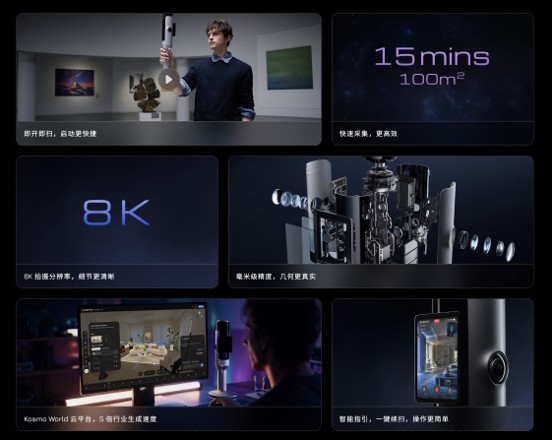
Alongside it, the company introduced Kosmo One—the world’s first 8K ultra-high-definition AI spatial camera—and Kosmo World, an AI-driven cloud platform.
Humanoid robots are intelligent hardware with human-like form and locomotion capabilities, able to perform diverse tasks in home and office environments. They represent the pinnacle of robotics technology and serve as key carriers for embodied AI. Since 2026, with improved AI large model capabilities, humanoid robots are rapidly transitioning from industrial to consumer markets.
Alongside it, the company introduced Kosmo One—the world’s first 8K ultra-high-definition AI spatial camera—and Kosmo World, an AI-driven cloud platform.
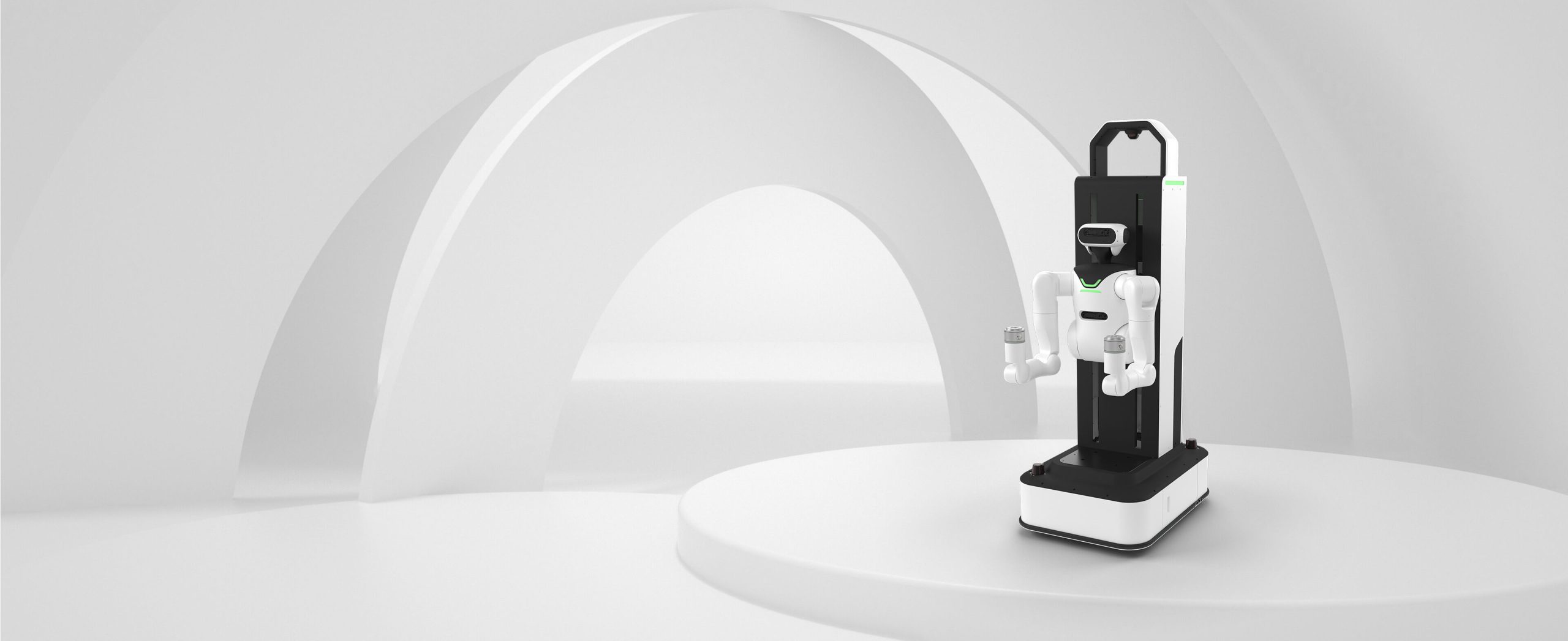
When JAKA Robotics rolled the Kargo50 onto its CIIF booth on October 12, the pitch was “L4 comprehensive intelligence” and “batch production” at a leading auto-parts plant. What the brochure does not say is that the 250-kilogram machine lifts only five kilograms per arm, that the “L4” label has no independent certification, and that the headline deployment is almost certainly a single lighthouse line rather than a shrink-wrapped product.

Faraday Future will on Oct. 14 formally unveil FF Nova, a roughly 20-inch embodied-AI humanoid aimed at developers and schools — a deliberate bet to start at the cheap, forgiving bottom of the humanoid market rather than fight Tesla and Figure on factory floors.
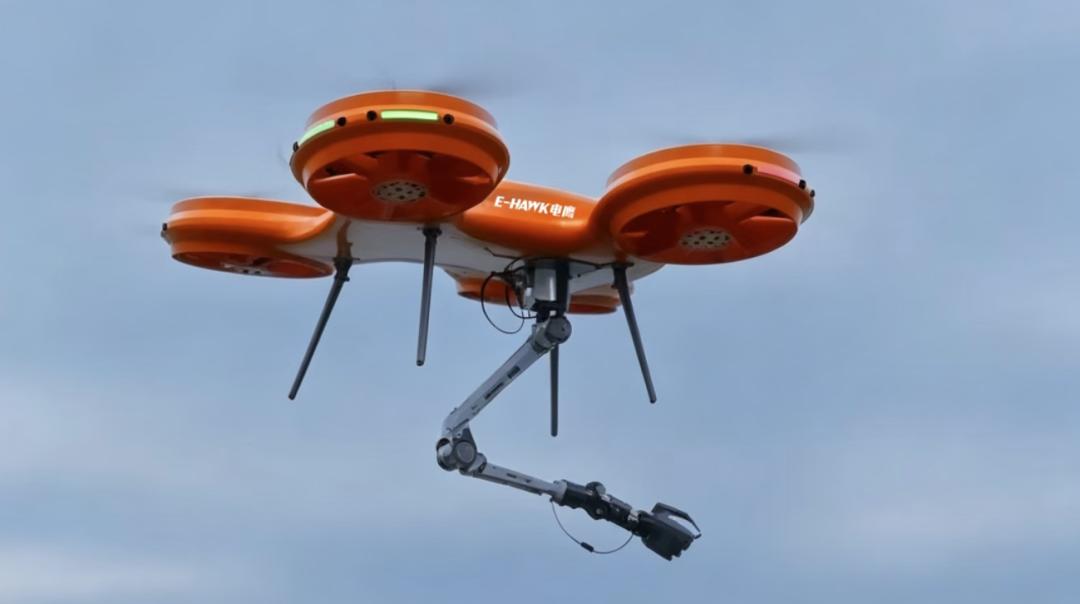
Dianying’s E-EMAV is a tethered ducted-fan drone with a folding robotic arm designed to clean and inspect high-rise buildings, but contact wobble, a 150-meter tether ceiling, and unproven autonomy make it an expensive tool rather than a labor-replacing colleague.
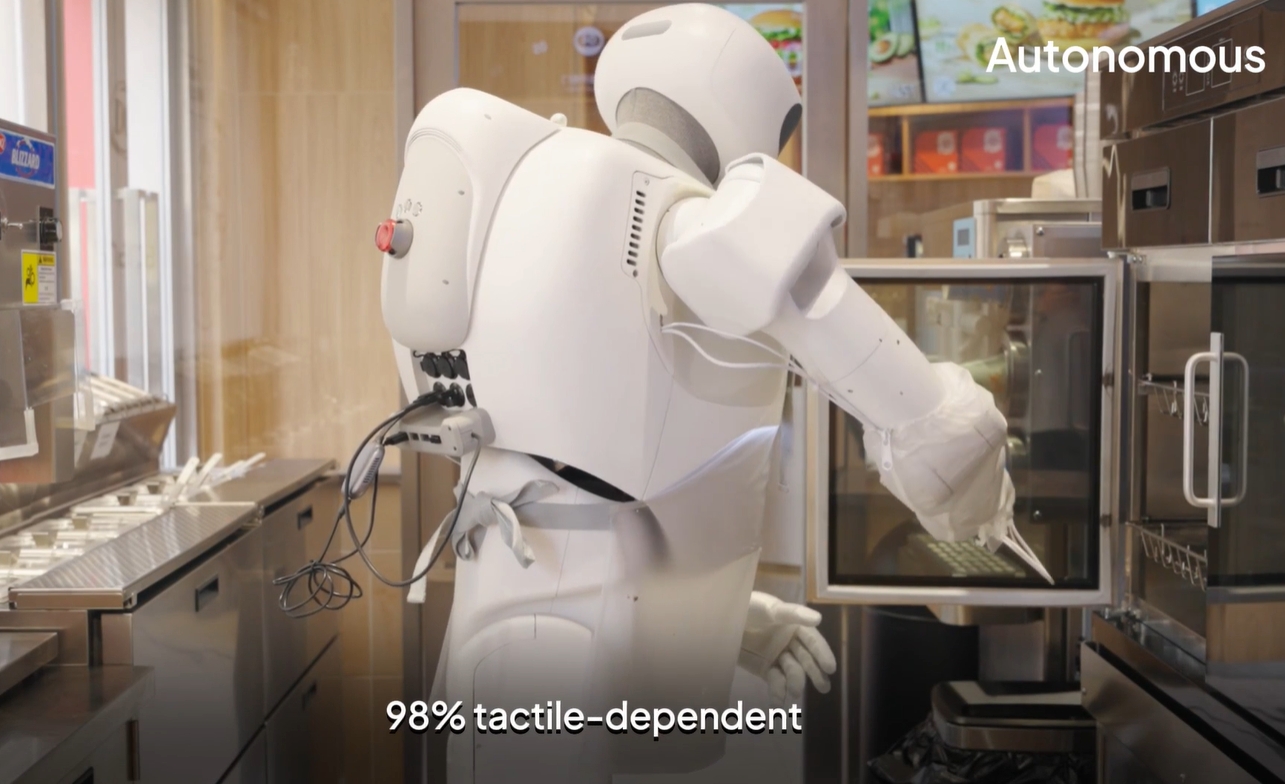
Marketed with the selling points of “fully unmanned processes, zero human intervention, standardized product excellence, and 24/7 continuous operation,” it is hailed as the future of automated dining, garnering significant attention from both the industry and the investment community.
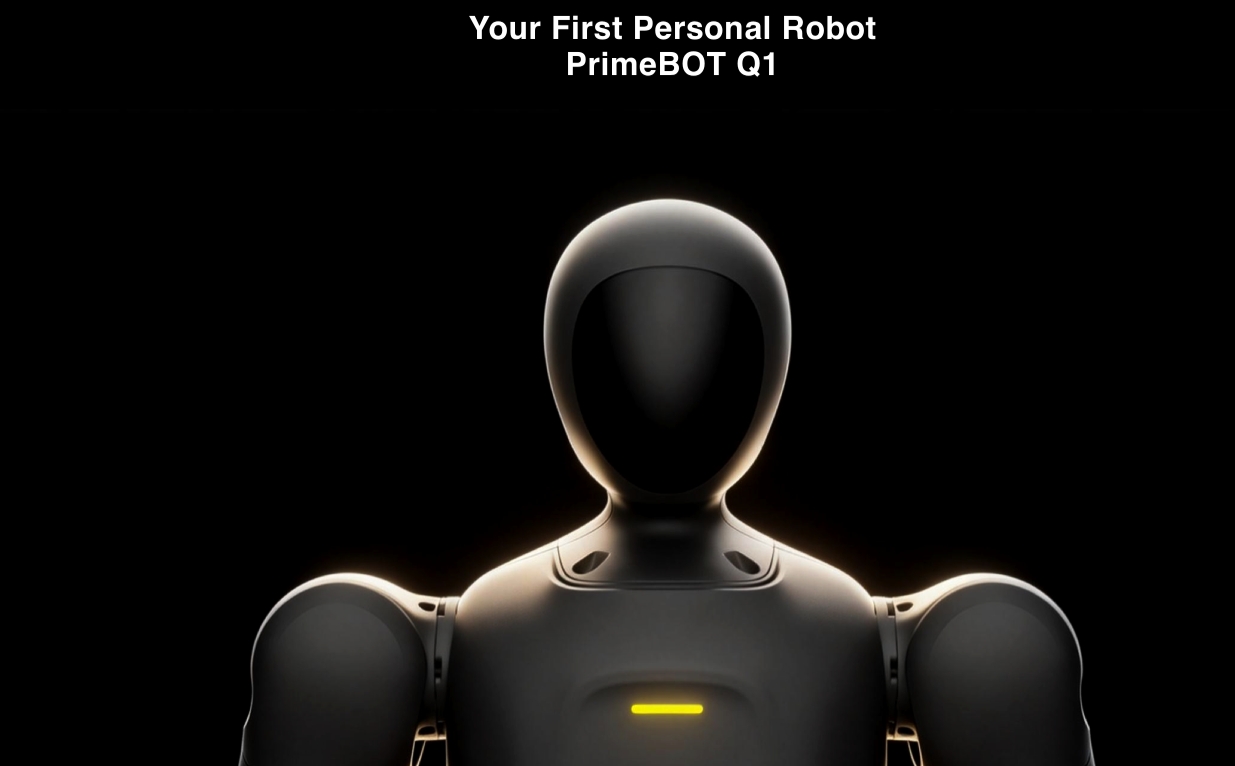
It garnered attention through high-tech selling points such as a rapid 3.5-second transformation, switching between wheeled-humanoid and quadrupedal modes, and embodied AI interaction.
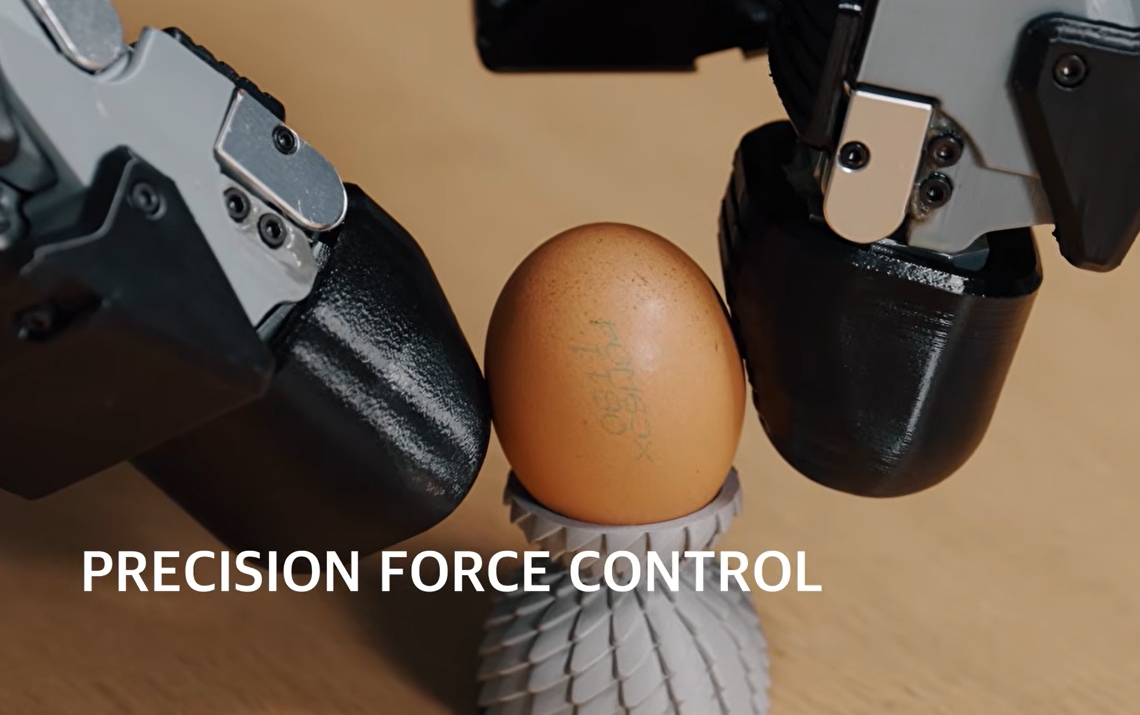
This article provides an in-depth review of the SHR E2 across five dimensions: product background, hardware design, AI capabilities, application scenarios, and industry significance.
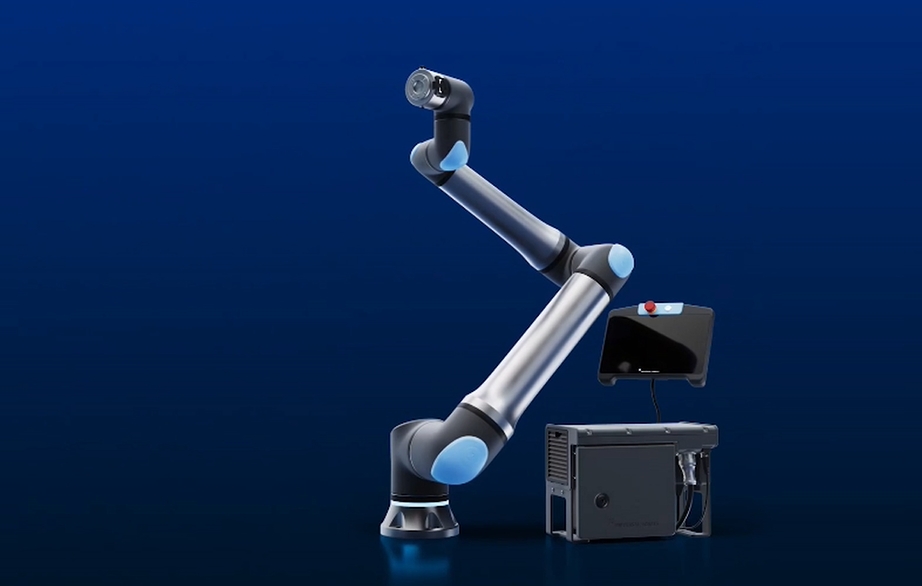
The core mission of UR Gen7 is to bring “Physical AI” directly to the production floor, enabling the robot itself to natively support AI perception and real-time decision-making, rather than relying on retrofitted add-ons.